

Emerald Pages
◆
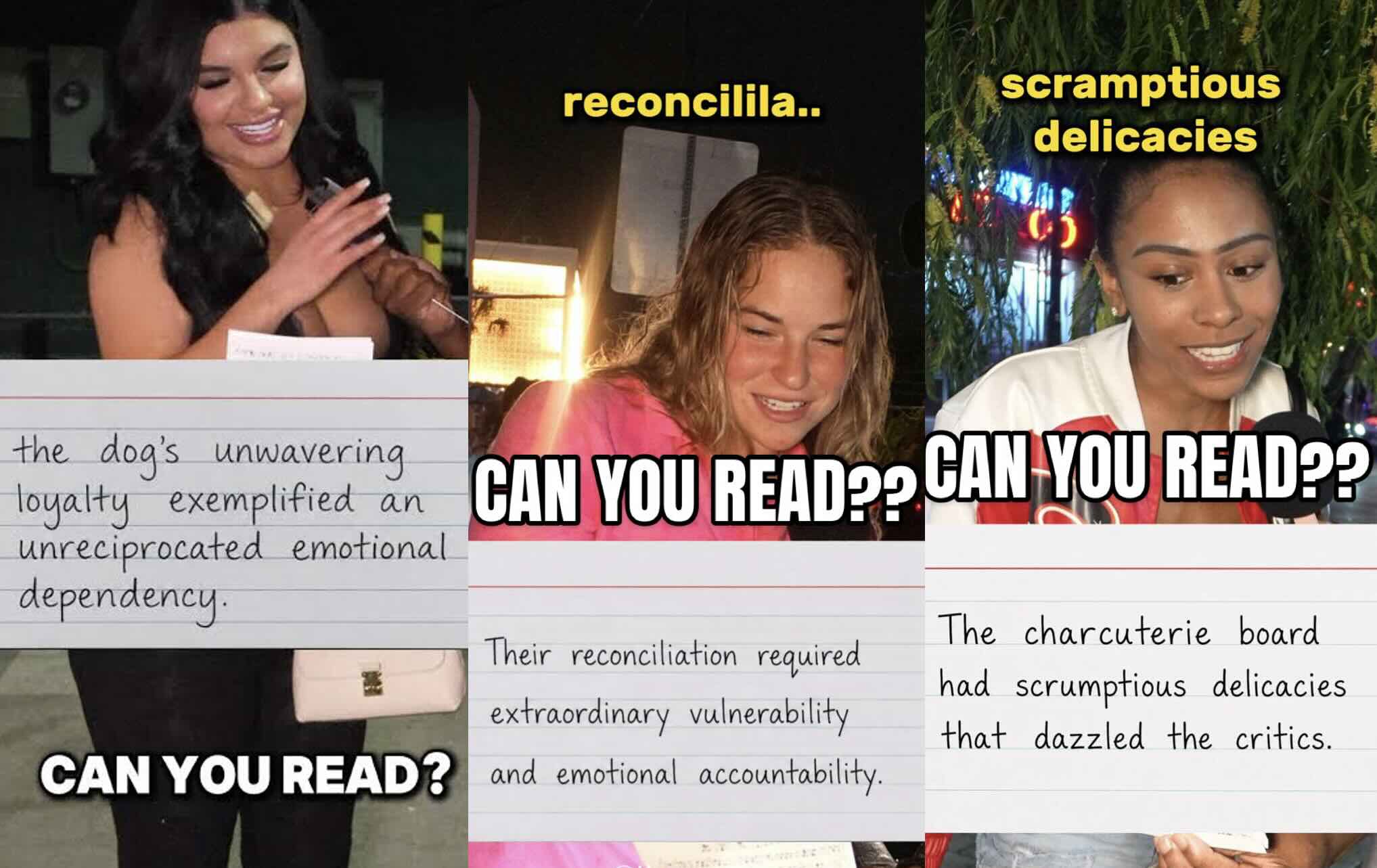
Photo: @TheYoShow | TikTok
The United States spends an average of $20,387 per student each year—a figure that towers 35% above the average for other wealthy nations. In states like New York and Washington D.C., that number soars past $30,000. And yet, more than one in four American adults score at the lowest levels of literacy, with 54% reading below a sixth-grade level. This is the paradox at the heart of American education: a nation that invests heavily in schooling is watching its citizens struggle to read.
This disconnect between spending and outcomes is not an accident. It is the result of decades of policy choices, cultural shifts, and a fundamental misunderstanding of how money translates into learning. The literacy crisis is a systemic failure, and to understand it, one must follow the dollars—and see where they actually go.
The first and most critical flaw is how the money is divided. A significant portion of funding for public schools comes from local property taxes. This creates a hyper-localized, deeply unequal system where a child's access to a quality education—and, by extension, their ability to learn to read—is determined by the value of their parents' home. Wealthy suburbs boast state-of-the-art facilities, small class sizes, and well-compensated, experienced teachers. Just a few miles away, schools in impoverished neighborhoods often have crumbling infrastructure, oversized classes, and rely on uncertified substitutes, all while serving the students who need the most support.
The Administrative Bloat and Misplaced Priorities
Even when funds are available, they often fail to reach the classroom. Over the past few decades, the number of school administrators, consultants, and district-level staff has grown at more than double the rate of student enrollment. Billions of dollars are swallowed by bureaucracy, expensive standardized testing software, and administrative salaries. In contrast, countries that consistently outperform the U.S. in reading, like Finland and Japan, channel their resources directly into teacher salaries, rigorous training, and high-quality classroom materials.
- Teacher Pay Penalty: Public school teachers face a 27% wage gap compared to other college-educated professionals, making it difficult to attract and retain qualified reading specialists.
- Inflation Erosion: Adjusted for inflation, the average teacher salary of $74,495 is worth about 5% less than it was a decade ago, discouraging new talent from entering the field.
- The Remedial Trap: Because of flawed teaching methods like "balanced literacy," millions of children fall behind by third grade, forcing districts to spend thousands on remedial intervention instead of preventative instruction.
Furthermore, American schools are unique in their role as a community safety net. A substantial portion of a school's budget does not go toward academics at all. It is allocated to complex transportation fleets, free meal programs, on-site mental health counselors, social workers, and even massive athletics facilities. While these services are vital for community well-being, they mean that the U.S. is spending its education dollars on a broad range of social services, while other nations are spending theirs almost exclusively on direct instruction.
A Culture That Doesn't Read
Beyond the budget sheets, a profound cultural shift is undermining the classroom. The "phone-based childhood," dominated by smartphones, video games, and short-form social media, has replaced the quiet practice of reading for pleasure. The percentage of teenagers who read a book daily has plummeted from 60% in the 1970s to less than 20% today. This is not just a school problem; it is an entertainment problem. No matter how well-funded a school is, it cannot build literacy if a child's world outside the classroom is a stream of quick, shallow content designed to capture attention rather than build comprehension.
The answer to this crisis is not simply "spend more." States are beginning to realize that reform requires a total recalibration. Dozens of states are now passing "Science of Reading" laws, mandating explicit phonics instruction and retraining teachers in methods proven to work. However, these changes come with a cost, and they rely on a workforce that is already overworked and underpaid. The burden of adopting new curricula, often without additional compensation, adds another layer of strain to a profession already in crisis.
Ultimately, the data reveals a hard truth: money alone is not the solution. The U.S. proves that high spending can coexist with high illiteracy. The path forward requires not only more investment, but smarter investment—directing funds toward competitive teacher salaries, evidence-based instruction, and a cultural push to bring books back into our daily lives. Until then, the numbers will continue to tell a frustrating story of a nation that has the resources to solve its problems but has yet to find the will.
No Ads. By Us. For Us.
This article was made possible by readers like you. We hope it inspired you to support Emerald Book, so we can continue producing content like this.
We will never show you ads, sell your data, or require a subscription to consume our content. Your gift helps us keep the truth accessible.
Click the Support button to give a gift of any amount today.
Thank you for making this work possible.