

Emerald Pages
◆
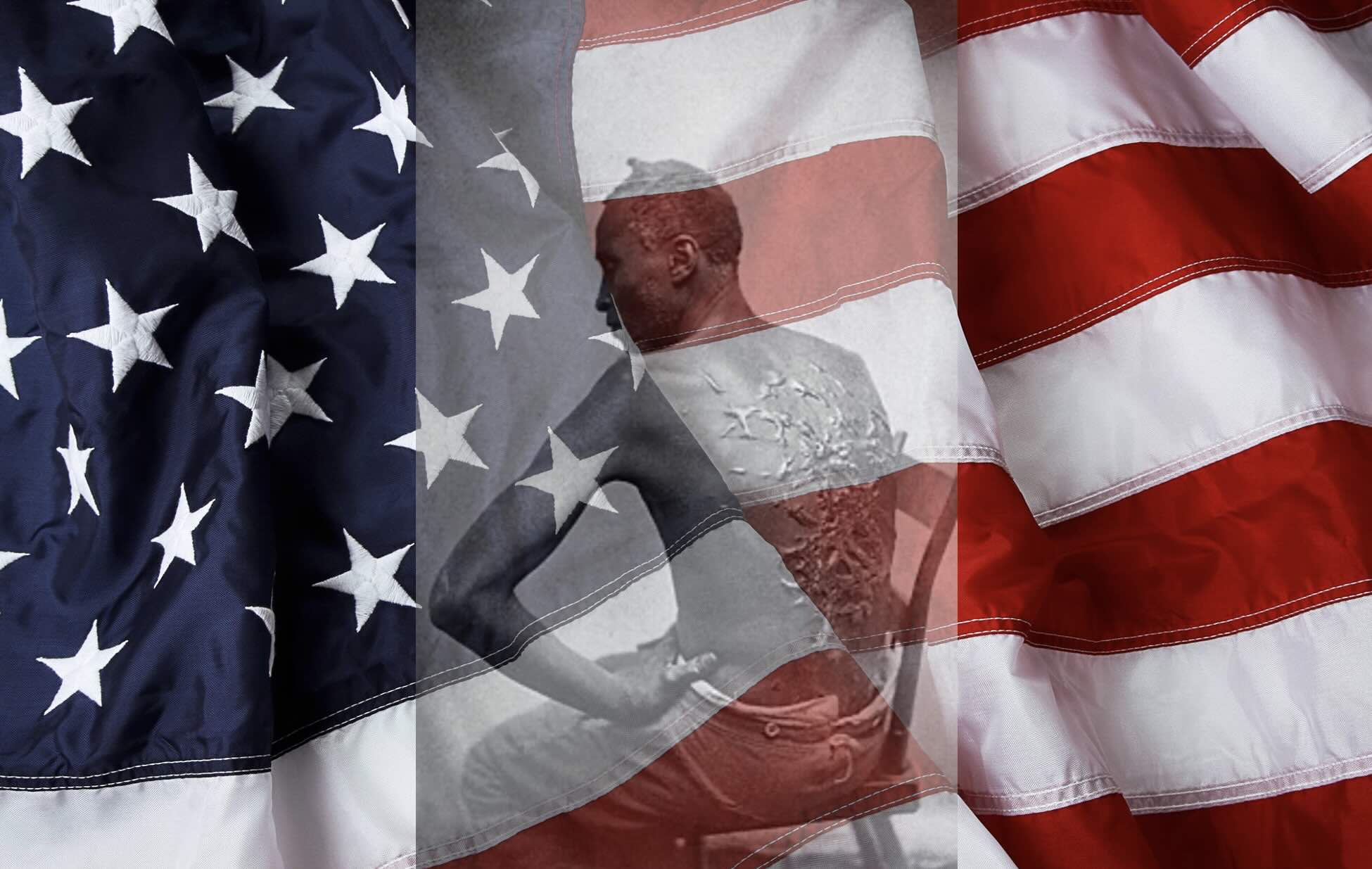
Photo: Emerald Book Image
On the Fourth of July, you will see millions of Black Americans gathering in backyards, firing up grills, and enjoying a day off from work. They will be playing music, laughing with family, and eating good food. But if you ask them, most will tell you with certainty: they are not celebrating America's independence. This distinction—between observing a day off and celebrating the nation's birth—is not a subtle semantic difference. It is a profound historical and cultural stance, a quiet but powerful acknowledgment that the freedom commemorated on this date was never meant for them.
To understand this perspective, one must look to the very foundation of the holiday. The American Revolution, as celebrated on July 4th, was a war for the liberty of the colonists. However, the nascent nation was built on a deeply hypocritical and tragic foundation: the institution of chattel slavery. In 1776, while white colonists were fighting for freedom from British rule, over 500,000 Black people were enslaved in the very colonies they were fighting for. The "inalienable rights" proclaimed in the Declaration of Independence were a promise for some, but a cruel irony for many.
This irreconcilable truth was searingly articulated by perhaps the greatest American orator of the 19th century. On July 5, 1852, Frederick Douglass was invited to speak at an event commemorating the holiday. He was expected to praise the nation's founders. Instead, he delivered a scathing critique that would echo through history. He acknowledged the bravery of the Founding Fathers but declared that the fruits of their labor were not for him. He argued that the Fourth of July was a day of "gross injustice and cruelty" for the enslaved, and that asking a Black person to celebrate it was an insult and a mockery.
'The Flag to Which You Have Pledged Allegiance'
The theme of this painful dichotomy continued into the 20th century with the writings of James Baldwin. For Baldwin, the hypocrisy was not a historical relic but a persistent, palpable truth. In his essay collection Notes of a Native Son, he wrote of his love for America, a love so profound that it demanded he "criticize her perpetually." This is not a hatred of country, but a deep-seated disappointment with its failure to live up to its own ideals.
Baldwin addressed this directly in his famous 1963 book The Fire Next Time, where he described the shock a Black child feels upon realizing the nation's symbols do not protect them. He penned the unforgettable line: "It comes as a great shock... to discover that the flag to which you have pledged allegiance... has not pledged allegiance to you." This feeling is at the core of why the Fourth of July feels uncomfortable. The flag and the fireworks represent a promise that, for much of American history, was systematically broken for Black people.
- Incomplete Freedom: In 1776, while the Declaration was signed, Black people were legally enslaved. The "freedom" of that day was a freedom for white colonists.
- The Enduring Legacy: From Frederick Douglass's 1852 speech to the present, the holiday has been a reminder of "unfinished business" and the fight for equality that continues long after the 19th of June, 1865.
- Juneteenth as a Counter-Narrative: For many, the true celebration of freedom is not July 4th, but June 19th, marking the day in 1865 when the last enslaved people in Texas were finally told of their emancipation.
'Observing' vs. 'Celebrating'
This brings us to the present. As we noted, there is a sharp distinction to be made between celebrating and observing. For many Black families, the Fourth of July is treated as a secular, functional holiday rather than a patriotic one.
The "Day Off" Ritual: Because almost every job and school is closed, it is a rare day when the whole family can gather. The motivation is love for family, not love for the country's founding. Sociologists who study Black culture note that many Black Americans have "reclaimed" the day. Instead of celebrating America's freedom, they use the time to celebrate Black survival and joy. The day is about the people around the grill, the music, and the community, while the historical meaning of July 4th is pushed entirely to the side.
Ultimately, if "celebrating" means honoring the legacy of the American Revolution and its ideals of universal liberty, then many Black Americans do not celebrate it. If it means a party to enjoy family and community, they absolutely do. This is not a rejection of America, but a rejection of a myth. It is an insistence on a more honest, nuanced, and complete version of the country's story—one that acknowledges the pain of the past alongside the hope for the future.
No Ads. By Us. For Us.
This article was made possible by readers like you. We hope it inspired you to support Emerald Book, so we can continue producing content like this.
We will never show you ads, sell your data, or require a subscription to consume our content. Your gift helps us keep the truth accessible.
Click the Support button to give a gift of any amount today.
Thank you for making this work possible.