

Emerald Pages
◆
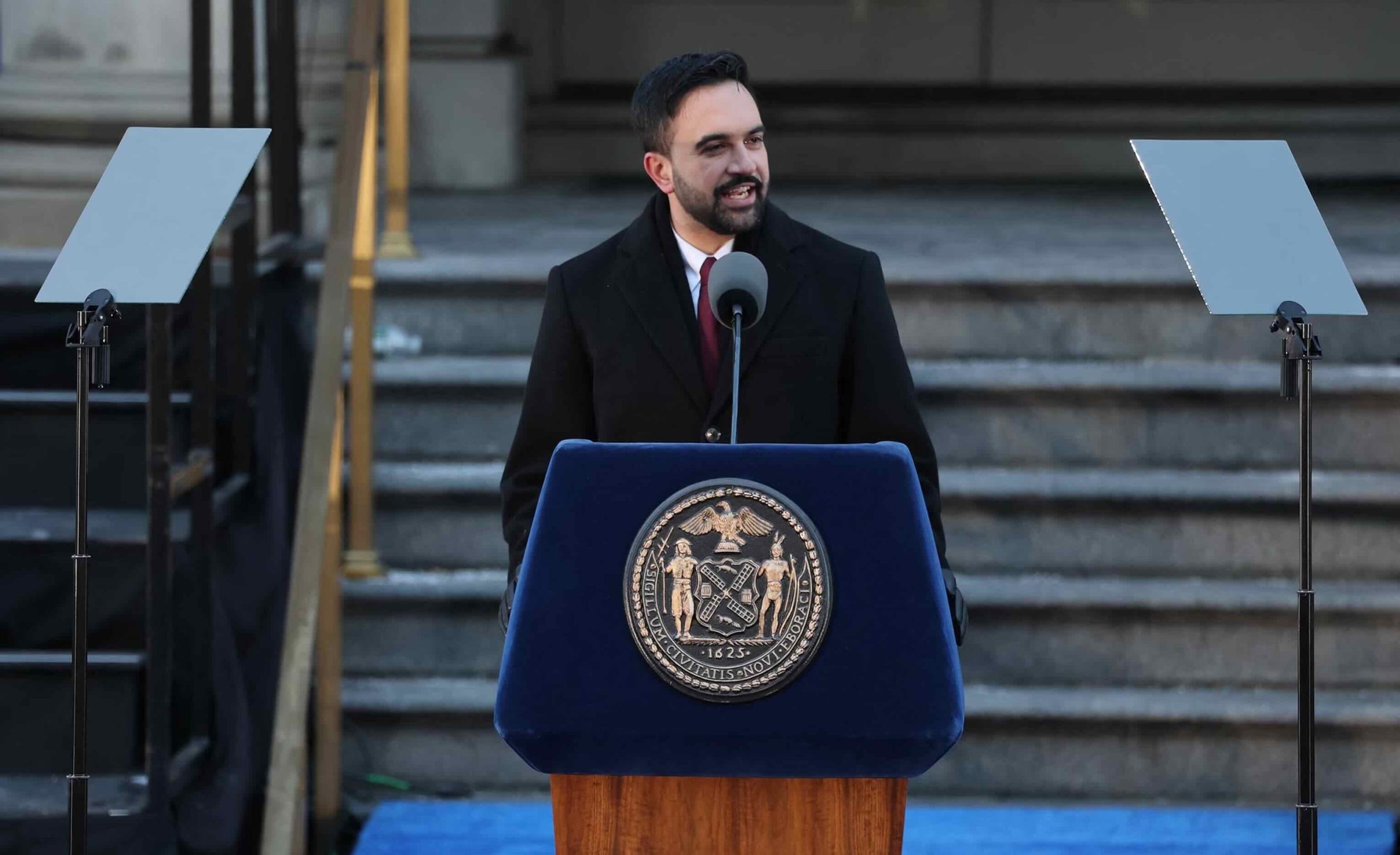
Photo: Angela Weiss | Getty Images
When Zohran Mamdani took office as Mayor of New York City on January 1, 2026, the predictions were swift and dire. Editorial boards warned of an impending "socialist exodus." Billionaires took to financial news networks to threaten relocation. Conservative think tanks published elaborate models showing how his progressive tax agenda would drain the city of its wealthiest residents, decimate the tax base, and send the local economy into a tailspin.
Six months later, the data tells a very different story. Despite the implementation of a new "pied-à-terre" tax on luxury second homes, aggressive rent freezes, and expanded social programs, New York City's wealthy elite have largely stayed put. The predicted mass departure never materialized—and by most economic indicators, the city is thriving.
The core conflict was always about taxes. Mayor Mamdani campaigned on a platform to heavily tax the wealthy to pay for universal childcare, rent freezes, and expanded social services. His administration recently championed a new "pied-à-terre" tax, which went into effect on July 1, 2026. This places an annual fee on luxury properties worth more than $5 million if the owners do not live in them full-time. Several high-profile financial elites publicly protested the mayor's policies.
The Billionaire Backlash: Sound and Fury
The threats were certainly loud. Ken Griffin, the hedge fund CEO of Citadel, clashed with the mayor over a viral video targeting Griffin's $238 million Manhattan penthouse. Griffin stated he would scrap a planned $6 billion Park Avenue development and expand job growth in Miami, Florida instead. Apollo Global Management, led by Marc Rowan, announced plans to open a "second headquarters" in the South—either Texas or Florida—which could eventually move up to 1,000 jobs out of NYC. Other critics, including billionaires Bill Ackman and John Catsimatidis, warned that viewing the wealthy as "the enemy" would eventually decimate the city's tax base if top earners chose to relocate. However, the actual data from the first half of 2026 indicates that the wealthy are mostly staying put.
Why the Exodus Never Happened
There are several key reasons why the wealthy have chosen to remain in New York, despite the higher taxes.
- Luxury Real Estate is Booming: Despite the implementation of the new second-home tax, Manhattan's luxury housing market is outperforming expectations. In the second quarter of 2026, signings for properties worth over $20 million actually saw a 25% annual increase.
- Commercial Demand Holds Steady: First-quarter data for 2026 indicates that commercial office leasing activity and rents are up, while vacancy rates are declining. Major corporations are actively signing decades-long leases to stay in Manhattan.
- Job Growth Continues: While some firms are hedging their bets by expanding in low-tax Southern states, New York City continues to add financial sector jobs. The massive boom in Artificial Intelligence (AI) firms has caused tech companies to rent Manhattan office space at double the rate they did last year.
Mayor Mamdani has dismissed the idea of a wealthy exodus as "imagined," pointing to economic studies showing that tax increases rarely cause rich residents to move away in significant numbers. Historical data shows that when cities or states raise taxes on top earners, tax migration is incredibly small—usually less than 1% of the wealthy population. In fact, past tax hikes in New York actually saw the city gain more high-income households than it lost.
"It's Cheaper to Pay the Tax Than to Sell"
For many multi-millionaires, paying the new taxes is simply cheaper than selling their properties. Selling a $50 million penthouse quickly usually means taking a huge financial loss. The "Cost of Doing Business" philosophy holds that for the ultra-wealthy, a new tax is often viewed just as an annoying extra fee required to live in the world's premier city.
Furthermore, moving is a logistical nightmare for the super-rich. To legally stop paying New York income taxes, a person must spend fewer than 183 days a year in the state—the famous "183-Day Rule." Tax auditors look at deeply personal things to prove where someone actually lives, such as where they keep their family photo albums, where their pets live, and where their kids go to school. This is known as the "Teddy Bear" test.
The Real Benefits of Mamdani's Agenda
While the wealthy have stayed, Mayor Mamdani and the City Council have pushed through a progressive agenda that is delivering tangible benefits to working-class New Yorkers.
- The Rent Freeze: The Rent Guidelines Board passed a freeze on the city's one million rent-stabilized apartments, fulfilling a major campaign promise.
- Transit Discounts: The city passed the largest-ever expansion of the Fair Fares program, which provides half-priced subway and bus rides to low-income New Yorkers.
- Housing Vouchers: The budget includes $175 million to expand access to rental vouchers to help families avoid eviction and fight homelessness.
- Kindergarten Savings: Every public school kindergartener will automatically receive $1,000 deposited into a college savings account, up from $100.
The city just finalized a $125.8 billion budget. Supporters argue that the new administration is delivering vital help to working-class families, while critics warn that the long-term economic costs could eventually hurt the city. However, for now, the data is clear: the wealthy are not leaving, and New Yorkers are beginning to see the benefits of the new policies.
No Ads. By Us. For Us.
This article was made possible by readers like you. We hope it inspired you to support Emerald Book, so we can continue producing content like this.
We will never show you ads, sell your data, or require a subscription to consume our content. Your gift helps us keep the truth accessible.
Click the Support button to give a gift of any amount today.
Thank you for making this work possible.