

Emerald Pages
◆
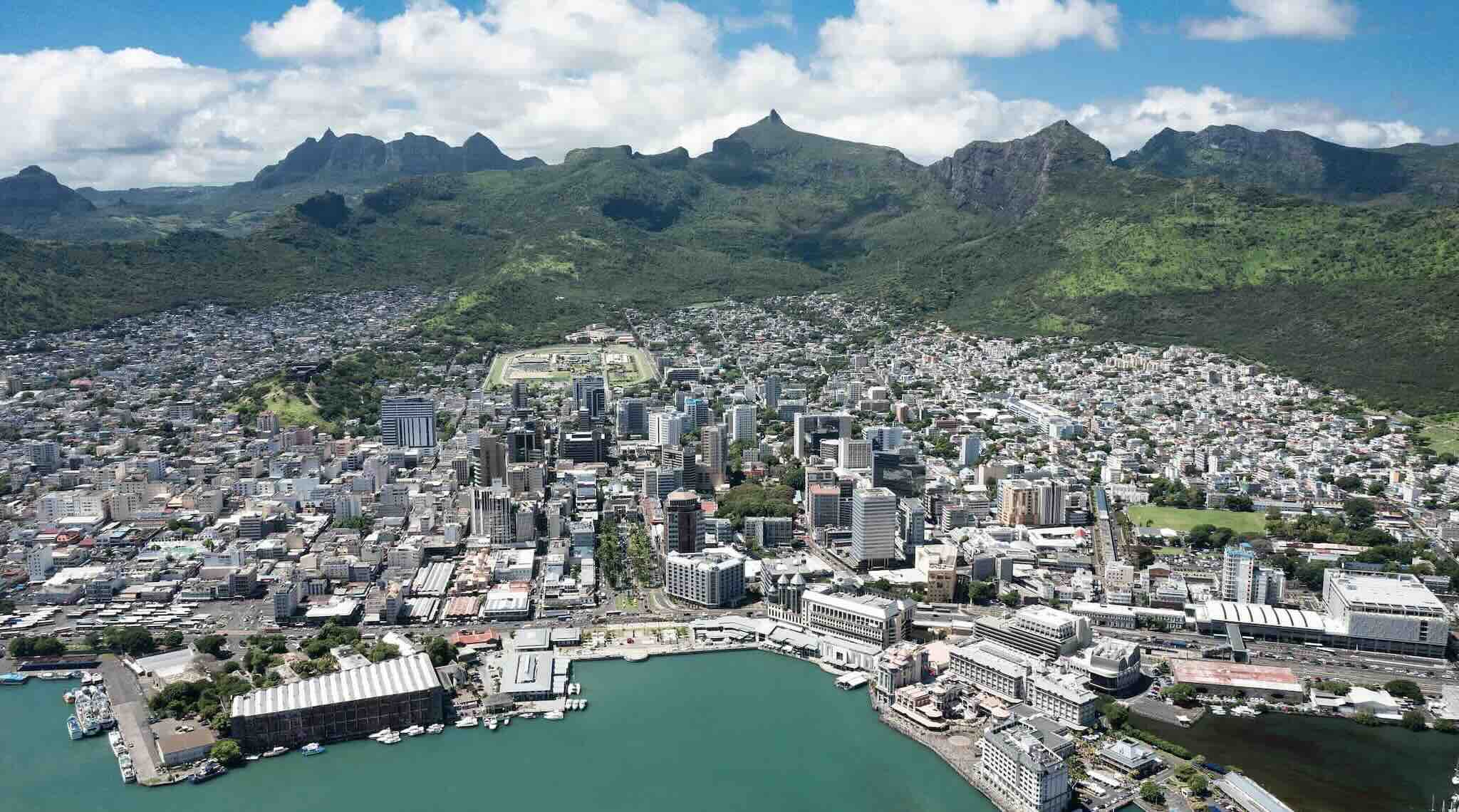
Photo: Wikipedia
Mauritius, a tiny island nation nestled in the Indian Ocean off the coast of Africa, presents a startling paradox for the modern world. According to the latest data from the Institute for Economics and Peace, this nation of just 1.3 million people is the 18th most peaceful country on Earth. The United States, in stark contrast, languishes at 134th place globally. When you add in metrics for democracy, economic freedom, and cost of living, Mauritius appears to offer a superior alternative to the American way of life.
It’s a fascinating statistical anomaly. On paper, Mauritius wins. It is classified as a "Full Democracy" by the Economist Intelligence Unit, while the U.S. is downgraded to a "Flawed Democracy." It ranks 21st in the world for Economic Freedom, just edging out America at 22nd. And the cost of living? It's over 50% cheaper, with rent being a staggering 70% lower than in the United States. It paints a picture of an idyllic, stable, and affordable paradise. So, the natural question arises: why isn't everyone moving there?
The answer lies in a combination of extreme geographical isolation, a protectionist local economy, and strict immigration policies. Moving to Mauritius requires not just a desire for a better life, but a specific set of circumstances—namely, substantial wealth, a remote job, or a willingness to adapt to a very different pace of life far from home.
The Metrics of a Modern Utopia
To understand the allure, it’s important to look at the data directly. The Global Peace Index scores countries on crime, political stability, and militarization. Mauritius boasts a low crime rate and has no standing army, freeing up vast resources for domestic well-being. Meanwhile, the U.S. score is dragged down by high incarceration rates, political polarization, and a massive global defense budget.
This tranquility is matched by its democratic health. The Freedom House Index gives Mauritius a score of 86 out of 100, compared to 81 for the United States. This is reflected in its robust protection of minority rights and strong social cohesion. It’s a rare example of a multi-ethnic society that has managed to build a stable, inclusive political system.
- Peace & Stability: Mauritius ranks 18th globally (U.S. is 134th). No standing army. Low violent crime rates.
- Freedom & Democracy: Classified as a "Full Democracy" by the EIU (U.S. is a "Flawed Democracy"). Scores 86/100 on civil liberties.
- Cost of Living: Overall cost is 52.7% lower than the U.S., with rent over 70% cheaper.
- Economic Freedom: Ranks 21st globally, beating the U.S. (22nd). It takes only 6 days to start a business.
- Healthcare: Offers free, universal public healthcare, and affordable private options, leading to zero medical debt for its citizens.
Perhaps the most appealing metric for Americans is the cost. Imagine a one-bedroom apartment in a city center for under $500 a month, a local meal for less than $10, and public healthcare that is completely free at the point of use. For a digital nomad earning a U.S. salary, Mauritius is essentially a cheat code for a high-quality life at a fraction of the price.
The Impossible Dream: Barriers to Entry
If it sounds too good to be true, it is—at least, for the average person. The first and most obvious barrier is the sheer distance. Mauritius is a 20-to-30-hour flight from the U.S., involving multiple layovers and costing upwards of $1,500. This isolation also means a significant time difference of 8 to 9 hours ahead of the East Coast, making standard remote work schedules a grueling challenge.
Beyond the journey, the local reality for a foreigner is significantly less glamorous if they don't bring their own wealth. The average local salary is around $775 a month, which is incredibly low by American standards. For a local, the affordable cost of living is just that—local. But for an American earning local wages, paying off U.S. student loans or saving for a trip home would be nearly impossible.
The government has set up strict protections to prevent foreigners from flooding the local job market and driving up prices. To get a work permit, a foreigner must possess highly specialized skills that cannot be found locally.
And then there is the dream of owning property. While rent is cheap, buying property as a foreigner is heavily restricted. To obtain a residency permit through real estate, the law requires a minimum investment of $375,000 USD in a designated luxury development. This effectively prices out the average family and confines expats to high-end, resort-style enclaves rather than the vibrant local towns.
Finally, there is the often-overlooked reality of living on a small island in the Indian Ocean: climate vulnerability. Between November and April, the island is in the crosshairs of severe tropical cyclones. Climate change also poses a long-term existential threat through rising sea levels, adding a layer of physical risk to the utopian dream.
No Ads. By Us. For Us.
This article was made possible by readers like you. We hope it inspired you to support Emerald Book, so we can continue producing content like this.
We will never show you ads, sell your data, or require a subscription to consume our content. Your gift helps us keep the truth accessible.
Click the Support button to give a gift of any amount today.
Thank you for making this work possible.