

Emerald Pages
◆
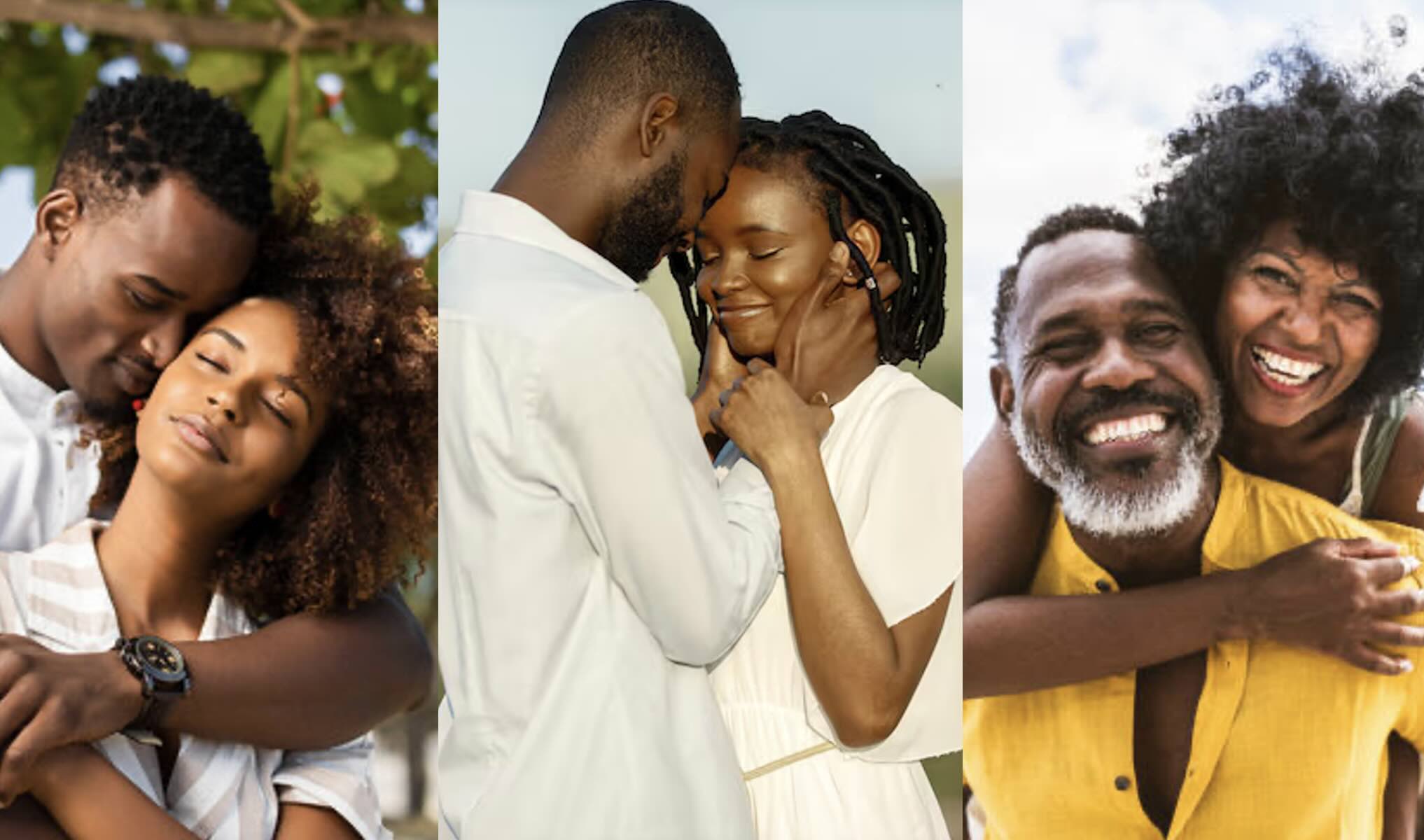
Photo: Emerald Book Image
If you spend just a few minutes scrolling through TikTok, YouTube, or X (formerly Twitter), you might be convinced that Black men and Black women are locked in a bitter, all-out gender war. Viral podcasts, inflammatory clips, and comment sections are flooded with accusations, stereotypes, and bitter arguments.
This relentless online narrative feels so real and overwhelming that many people have started to believe it represents an actual, widespread divide in the community. But here's the truth: the idea that Black men and women hate each other is a complete myth, manufactured by a system that profits from division.
The "war" is a digital illusion, not a real-world reality. It is fueled by algorithms, incentivized influencers, and the simple fact that happy people don't post online. When you set aside the screaming voices on your screen and look at the data from the U.S. Census Bureau and the Pew Research Center, you find a completely different story—one of resilience, mutual support, and enduring love.
The Algorithm Feeds on Friction
To understand why this myth persists, you first have to understand the economic engine driving it. Social media platforms like TikTok, YouTube, and X are not designed to inform or enlighten; their primary goal is to keep you scrolling, and they do this by promoting content that triggers strong emotional reactions.
The most profitable emotion on the internet is outrage. Studies show that content that makes people angry or outraged spreads significantly faster than content that makes them feel calm or happy. Drama is simply more profitable than peace. A quiet video of a Black couple cooking dinner together and paying their bills won't get many views, but a video of a content creator loudly shouting that "all men are broke" or "all women are high-maintenance" will generate millions of views, thousands of angry comments, and a flood of ad revenue.
The "Influencer" Incentive and Rage-Baiting
This brings us to the creators themselves. Influencers are trapped in a system where being extreme, negative, and divisive is the fastest path to fame and fortune. This practice is known as "rage-baiting"—creating content specifically designed to make people angry.
For an influencer, nuance is career suicide. If they say, "Well, some people have bad dating experiences, but most people are actually decent," the audience loses interest. To keep people watching, they are forced to speak in absolutes like "always," "never," "all," and "none." They turn isolated, individual problems into massive, community-wide crises.
Once a creator becomes famous for this negative drama, they get stuck in a trap. Their followers only followed them for the "car-crash" content. If they try to post something positive, their views instantly plummet. To keep their job and their paycheck, they are forced to become meaner, louder, and more extreme over time. Often, these "gender war" podcast hosts don't even believe what they're saying; they are playing a character because controversy is a product that sells.
The "Echo Chamber" and the Negativity Bias
The algorithms are also designed to create "echo chambers." If you click on one argument video, the platform assumes you love drama and will keep feeding you the exact same type of content. This creates the illusion that everyone is fighting, even though you are just looking at a curated feed of the most controversial clips on the internet.
This effect is amplified by a simple human truth: the happiest among us are not posting online. People who are content, relaxed, and enjoying their lives rarely feel the need to tell the world about it. They are too busy living in the moment. The internet is effectively a digital complaint box, a gathering place for the loudest, most frustrated voices. It's a collection of people who had a bad day, while the people having a great day are simply outside, living their lives offline.
What the Real-World Data Tells Us
When you step away from the internet and look at how Black Americans actually live, date, and marry, the picture is dramatically different. The data from the U.S. Census Bureau and Pew Research Center provides an undeniable reality check.
High Partnership & Marriage Rates
The most decisive evidence is who Black Americans choose to marry. According to a Pew Research Center analysis, roughly 80% of currently married Black men are married to Black women. Even when looking strictly at newlyweds, which captures modern dating behavior, roughly 64% to 76% of newly married Black men marry Black women.
It is mathematically impossible to claim a broad "hatred" or rejection when the supermajority of people are still actively choosing each other. The media often highlights when a famous Black male celebrity marries outside his race, but that is an exception that gets attention precisely because it is unusual.
Shared Values and Support
Outside of marriage, researchers find incredible teamwork and shared values. According to the Pew Research Center, 86% of Black adults believe that mothers and fathers should split child care responsibilities equally. Studies on family dynamics show that Black couples report high levels of love, teamwork, and happiness, often matching or exceeding other groups. In real-world communities, Black men and women are the primary source of support for one another—emotionally, financially, and socially.
Addressing the Real Challenges
While there is no widespread hatred, it is important to acknowledge that Black relationships do face heavy outside pressures. These are structural problems, not a lack of love between Black men and women.
- Economic Inequality: Black communities face severe racial wealth gaps and systemic discrimination in employment, creating financial stress on families.
- Mass Incarceration: The unjust incarceration of Black men historically removed millions of potential partners from the dating pool, heavily disrupting family structures.
- Intersectional Stress: Black women face unique pressures from both racism and sexism. Sometimes, the stress of fighting these outside forces can put pressure on romantic partnerships.
The reality is that Black men and women are often forced to build their relationships under heavy societal and economic stress. They don't hate each other; they are fighting to love each other in a system that makes it difficult.
The Bottom Line
The "Black men vs. Black women" divide is a profitable illusion. It is manufactured by algorithms that thrive on outrage and influencers who are paid to be divisive. The idea of widespread hatred is a false narrative, perpetuated by a minority of loud voices online.
In the real world, the vast majority of Black men and women are not online arguing. They are busy living their lives, raising families, and building loving relationships together in their communities. The data proves it, and the quiet reality of everyday life confirms it. The "war" is fake; the love is real.
No Ads. By Us. For Us.
This article was made possible by readers like you. We hope it inspired you to support Emerald Book, so we can continue producing content like this.
We will never show you ads, sell your data, or require a subscription to consume our content. Your gift helps us keep the truth accessible.
Click the Support button to give a gift of any amount today.
Thank you for making this work possible.