

Emerald Pages
◆
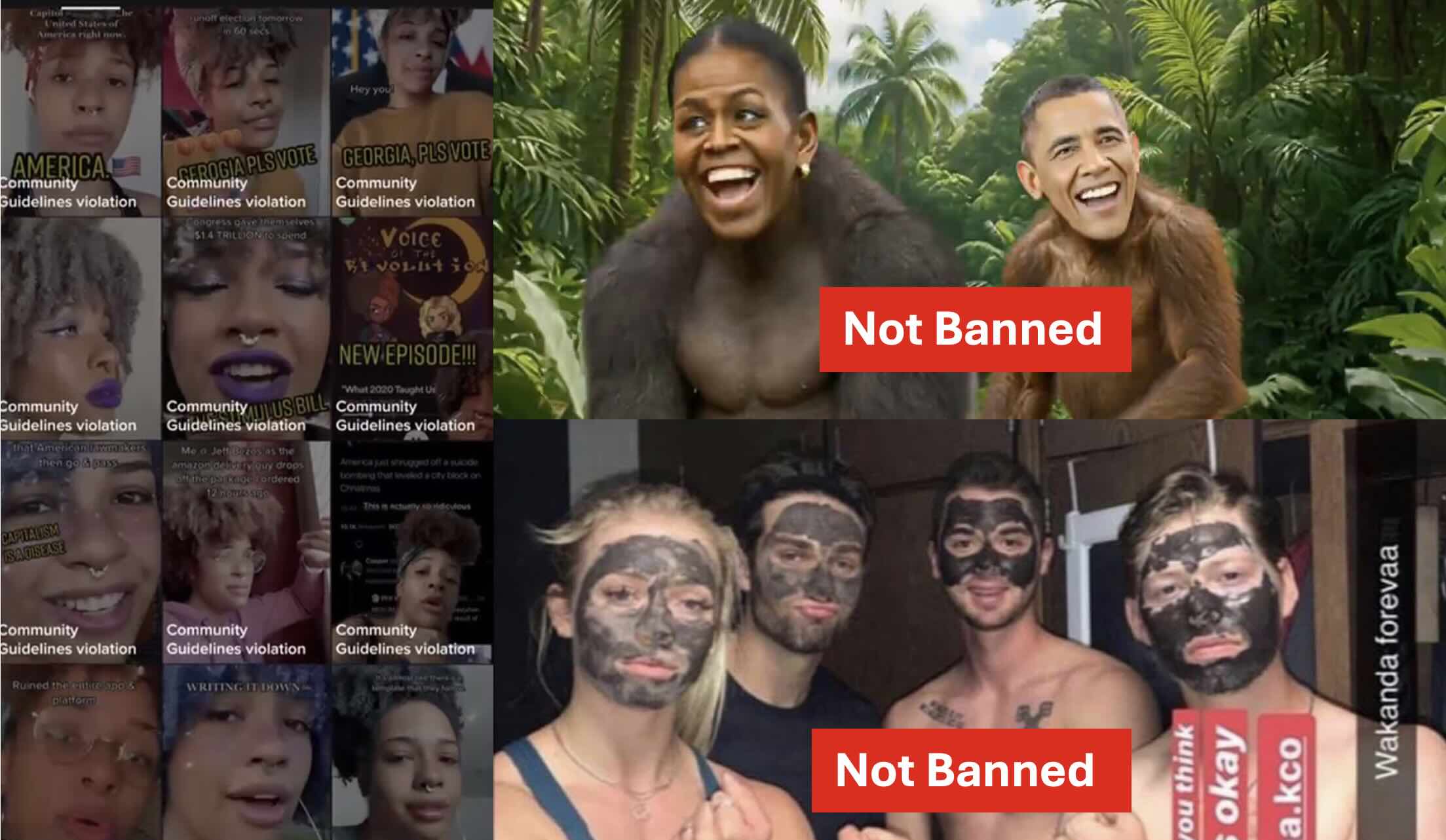
Photo: Emerald Book Image
For years, Black content creators have sounded the alarm about unfair treatment on social media platforms. They described a frustrating cycle of unexplained account suspensions, mysterious shadowbans that killed their reach, and automated flags that seemed to target them more aggressively than their white peers. Now, a growing body of rigorous academic research confirms what creators have been saying all along.
A landmark study published in the Proceedings of the National Academy of Sciences (PNAS) found that social media users whose online activity suggested they were Black were 50% more likely to face automatic account suspensions than white users. This research, combined with audits from independent groups like Salty and multiple university studies, paints a damning picture of how artificial intelligence and automated moderation systems are enforcing systemic discrimination at scale.
The pattern of discrimination operates through multiple mechanisms that researchers have now documented with alarming clarity. These systems don't explicitly target race — they don't need to. Instead, they learn to associate Black cultural expression, language patterns, and even discussions about racism with policy violations.
The Data: What the Research Reveals
The PNAS study was groundbreaking not just for what it found, but for how it conducted its research. The team used advanced AI testing methodologies to analyze how five of the most widely used language models and moderation tools evaluate content. Their findings were stark:
- 50% Higher Suspension Rate: Instagram users identified as Black were automatically suspended at a rate 50% higher than comparable white users.
- False Flag Epidemic: Independent audits by research groups like Salty found that marginalized creators have a much higher rate of "false flags" — their accounts get suspended or deleted but later reinstated because they never actually broke any rules.
- Dialect Bias: Research published in Nature shows AI models are significantly more likely to label African American Vernacular English (AAVE) as "dirty," "lazy," or "aggressive" compared to Standard American English.
- Context Blindness: AI safety filters systematically misinterpret educational or descriptive words about discrimination as being "toxic" or inciting hate speech.
Researchers from the Association for Computing Machinery (ACM) added another dimension to the findings. Their study on "Black Femme" content creators revealed that Black women and non-binary creators face the highest levels of algorithmic suppression. When they participated in the exact same viral dance, fashion, or lifestyle microtrends as white influencers, their videos were frequently flagged as "inappropriate" or "excessively sexualized" and suppressed.
Why This Happens: The Mechanisms of Bias
The systems driving this discrimination operate through several interconnected mechanisms, none of which require explicit racist programming to cause devastating harm.
1. Algorithmic Bias in "Safety" Filters
Social media apps use Artificial Intelligence to scan millions of posts. However, these AI models are trained on data that often misinterprets African American Vernacular English, cultural norms, or slang as aggressive or inappropriate. The AI memorizes patterns from training data that may have been collected from predominantly white internet spaces.
2. Weaponized Mass-Reporting
Black creators — especially those who speak out against racism, discuss systemic inequality, or achieve viral fame — frequently attract coordinated groups of internet trolls. These trolls exploit automated systems by mass-reporting profiles. Because platforms prioritize speed over accuracy, automated systems often suspend the Black creator first and ask questions later.
3. Censoring Discussions on Race
Creators routinely report being shadowbanned or suspended simply for using words like "Black," "racism," or "Black Lives Matter." In one famous case, TikTok's Creator Marketplace algorithm flagged phrases like "I am a Black man" as "inappropriate content" while allowing identical phrases using the word "White."
4. Double Standards in Moderation
There is a documented double standard regarding how bodies and expressions are policed. Black body-positive, dance, and fashion creators are frequently flagged for "excessive nudity" or "sexual solicitation" for posting the same content that white influencers post without penalty. This extends to other content as well — white creators posting firearms are categorized as "hobbyists" or "sportsmen," while Black creators posting identical content face gang-related or violence flags.
The Human Cost: A Creator's Livelihood on the Line
When a creator is suspended, it does not just hurt their feelings — it directly threatens their ability to earn a living. Black creators lose access to brand partnerships, sponsorship deals, direct income from platform creator funds, business networks, and hard-built audiences. The platforms' decisions don't just censor expression; they destroy economic opportunity.
A documented example that illustrates the absurdity of these systems involves creator Ziggi Tyler on TikTok. In July 2021, Tyler discovered that when he typed phrases like "Black Lives Matter," "Black success," or "I am a Black man" in his Creator Marketplace profile, the algorithm immediately blocked him. When he tested extreme phrases like "I am a neo-Nazi," the algorithm approved them instantly. TikTok later admitted this was a "significant error" — the AI had misinterpreted letters from the word "audience" as forming a death threat when paired with "Black."
This case demonstrates precisely how training data bias creates real-world consequences: engineers taught the AI that "Black" combined with certain letters meant "danger," but didn't train it to understand human language. The punishment was immediate — locking a Black creator out of marketing himself to brands — while actual hate groups bypassed the filters entirely.
How Creators Push Back
Frustrated by what they call "digital erasure," Black creatives have organized major pushbacks. In past movements like the #BlackTikTokStrike, Black choreographers refused to make new dance trends, forcing platforms to publicly acknowledge how much they rely on Black culture to keep their apps popular.
Creators also use creative workarounds, like intentionally misspelling words (writing "Blk" or "algor$thm") to bypass biased AI filters. However, these are temporary fixes that place the burden of accommodation on those being discriminated against, rather than the platforms creating the harm.
Some creators have turned to legal action. In June 2020, a group of Black content creators sued YouTube, alleging that its algorithms categorically suppressed their content and that their "Restricted Mode" feature disproportionately hid videos by Black creators. The lawsuit highlighted how the platform's "ad-friendly" guidelines systematically disadvantage creators discussing racial justice.
The Bigger Picture: A Systemic Failure
The research makes clear that this is not a case of isolated glitches or individual mistakes. Instead, it reflects a systemic failure — one that combines biased training data, overworked human moderators bringing their own implicit biases to decisions, and platforms prioritizing speed over fairness.
Legal and technology scholars use a framework called the "Black Opticon" to describe how tech platforms passively and actively police Black bodies online. The data shows that recommendation algorithms enforce a "monolithic" standard of what content is allowed to go viral. White creators are given a wide safety net to post edgy content, dark humor, or risky visuals, while Black creators are held to an incredibly narrow, strict standard where any deviation results in an instant violation.
Platform "trust scores" — hidden reputation scores assigned to every account — compound the problem. Because Black accounts are targeted more frequently by bad-faith mass reporting, their trust scores drop. Once an account's score is low, the AI becomes hyper-aggressive, giving that account automatic strikes for content that a "trusted" white account could post without penalty.
This is the reality of algorithmic bias in 2026: not a conspiracy, but an outcome of flawed systems trained on biased data, deployed without adequate oversight, and affecting millions of creators in life-altering ways. The research is clear, the data is documented, and the pattern is undeniable. The question now is what tech companies will do about it.
No Ads. By Us. For Us.
This article was made possible by readers like you. We hope it inspired you to support Emerald Book, so we can continue producing content like this.
We will never show you ads, sell your data, or require a subscription to consume our content. Your gift helps us keep the truth accessible.
Click the Support button to give a gift of any amount today.
Thank you for making this work possible.