

Emerald Pages
◆
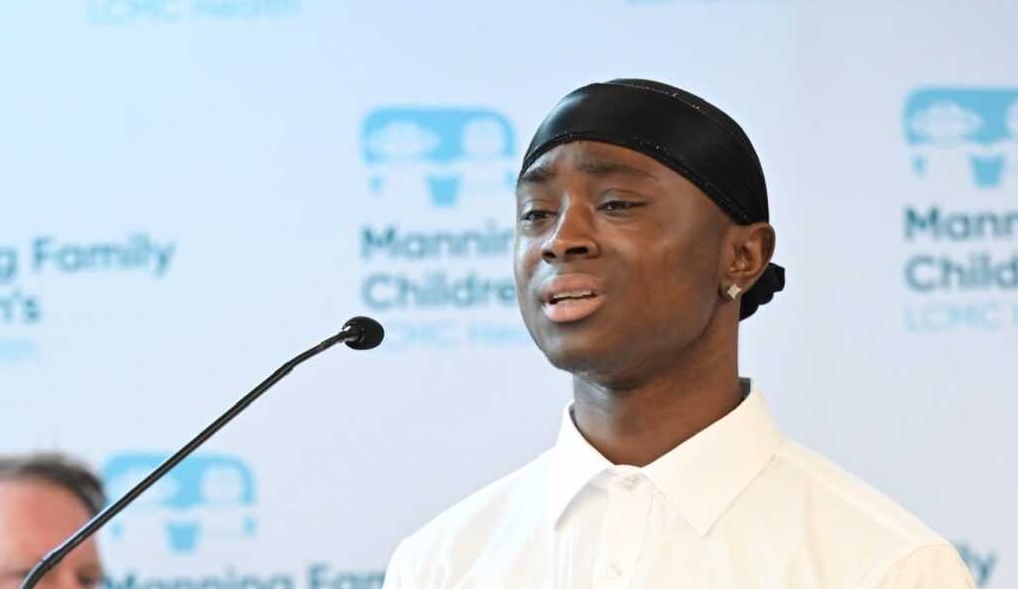
Photo: New Orleans City Business
For 23 years, Daniel Cressy's life was dictated by a genetic flaw. Living with sickle cell disease in the Gulf South meant enduring unpredictable and excruciating pain episodes that thwarted his ambitions and robbed him of a normal childhood. But on Monday, June 22, 2026, that narrative was permanently rewritten. Surrounded by family, friends, and local leaders at Manning Family Children's Hospital in New Orleans, Daniel rang the hospital's celebration bell, marking his official declaration as the first person in the US Gulf Coast region to be functionally cured of the disease.
This monumental achievement is the result of a two-year medical odyssey that harnessed the power of CRISPR/Cas9 gene-editing technology. The treatment, known as Casgevy, doesn't just manage the symptoms of sickle cell; it targets the root cause by reprogramming the patient's own stem cells to produce healthy blood. For Daniel, the journey from a patient plagued by a debilitating condition to a beacon of hope for others is a testament to the relentless pace of modern medical science.
The treatment itself is a marvel of biological engineering. Instead of attempting to repair the flawed adult hemoglobin gene, scientists used a clever workaround. They employed CRISPR—molecular scissors guided by a custom piece of RNA—to locate and disable a specific gene called BCL11A. This gene acts as an "off-switch" for fetal hemoglobin, a healthy form of the protein that humans produce in the womb. By cutting this switch, the patient's stem cells are permanently reverted to producing high levels of fetal hemoglobin, which is immune to the sickle cell mutation and prevents blood cells from warping into their characteristic, vessel-blocking crescent shape.
A Two-Year Journey to the Bell
Daniel's path to the cure was a meticulous and demanding process that began in mid-2024. It required not just cutting-edge science but immense personal courage. After initial evaluations, the critical phase began in late 2025. Doctors at Manning Family Children's Hospital collected his stem cells during lengthy, six-hour sessions. These precious cells were then frozen and flown across the Atlantic to a specialized laboratory in Scotland, where scientists performed the precise CRISPR edit.
While his cells were being transformed in a lab overseas, Daniel faced a physically grueling step back in New Orleans. In March 2026, he was admitted to the hospital to undergo intensive chemotherapy. This was a necessary, albeit harsh, step to clear his bone marrow of the faulty cells that produced his sickled blood, making room for a new, healthy population to take root. After months of waiting and preparation, the transformed cells were infused back into his body. He then spent a critical 44 days in hospital isolation, his immune system vulnerable, as the new, gene-edited stem cells began to multiply and produce billions of perfectly round, healthy red blood cells.
- Mid-2024: Began initial evaluation and testing to qualify for the Casgevy gene therapy.
- Late 2025: Stem cells were collected and sent to a lab in Scotland for CRISPR editing.
- March 2026: Underwent intensive chemotherapy to clear out his old, diseased bone marrow.
- April–May 2026: Received the edited cells and spent over a month in hospital isolation for recovery.
- June 22, 2026: Officially declared functionally cured and celebrated by ringing the hospital bell.
What "Functionally Cured" Means
The declaration of a "functional cure" is a powerful and precise term. It means the disease is no longer active in Daniel's system; the severe pain crises, the fatigue, and the risk of life-threatening complications have been eliminated. Because the genetic change was made to his permanent, self-renewing stem cells, the cure is expected to last for the rest of his life. Every new red blood cell his body produces from now on will carry the healthy trait, effectively ending the disease's impact on his daily existence.
However, doctors use the term "functional" for a specific reason. While Daniel himself is disease-free, the original genetic blueprint for sickle cell is still present in other cells of his body, such as his reproductive cells. This means he can still pass the sickle cell trait on to his children. Furthermore, because CRISPR-based therapies are still relatively new, medical professionals are committed to monitoring patients like Daniel over the next 15 years to ensure the cells continue to behave perfectly and that there are no unforeseen long-term effects.
For Daniel, the clinical victory is just the beginning. The disease had previously blocked his lifelong dream of getting the medical clearance needed to become a commercial pilot. Now, with a clean bill of health, he plans to return to his flight training. He is also channeling his experience into a new mission. He has launched a nonprofit called Privileged Pilots, which aims to inspire and help other sickle cell patients navigate their own treatment journeys and reach for their own seemingly impossible dreams. Daniel Cressy is no longer just a patient; he is a symbol of hope, demonstrating that the future of medicine is capable of rewriting the most deeply ingrained chapters of our biology.
No Ads. By Us. For Us.
This article was made possible by readers like you. We hope it inspired you to support Emerald Book, so we can continue producing content like this.
We will never show you ads, sell your data, or require a subscription to consume our content. Your gift helps us keep the truth accessible.
Click the Support button to give a gift of any amount today.
Thank you for making this work possible.