

Emerald Pages
◆
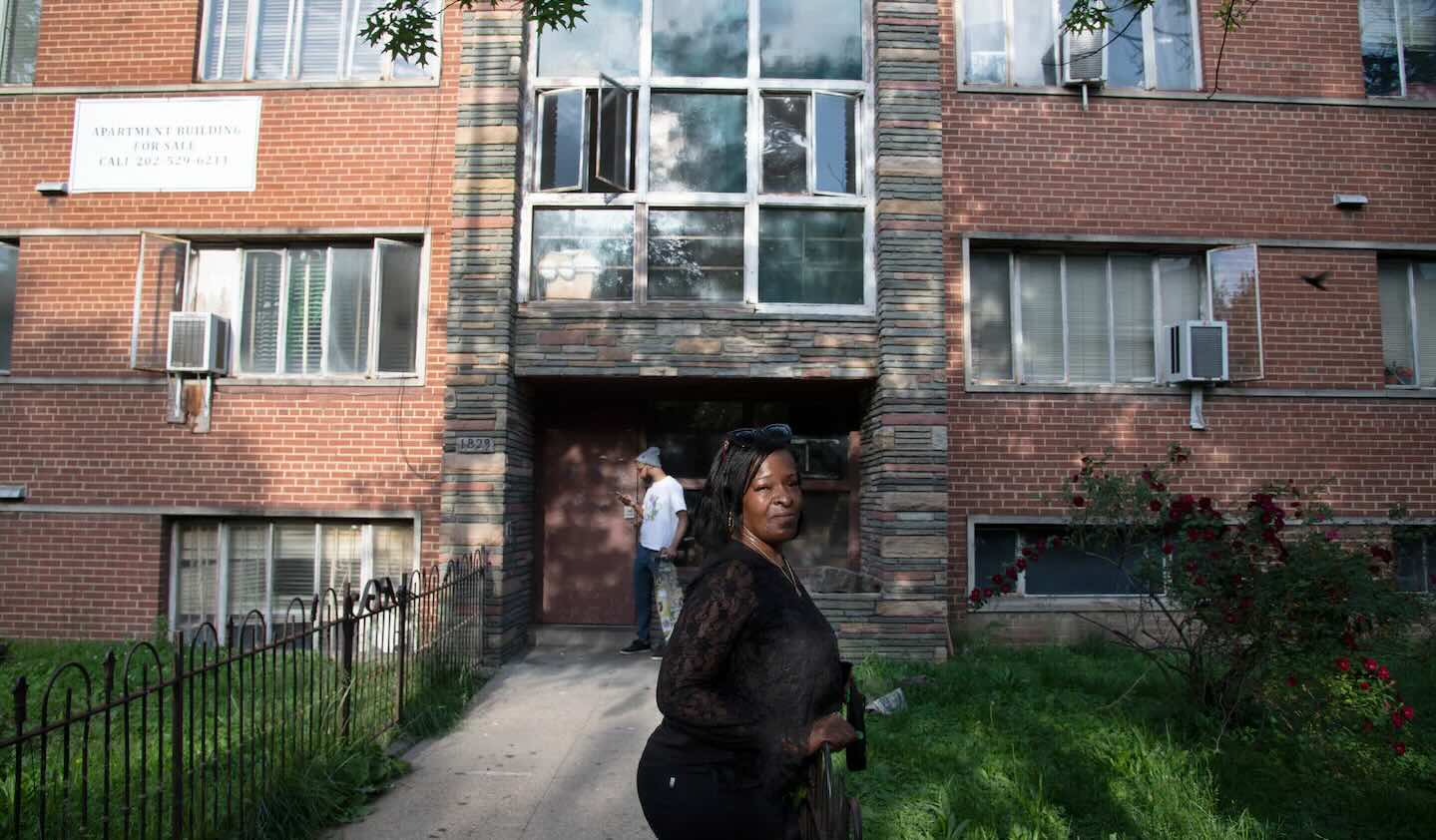
Photo: The Washington Post
For decades, Washington, D.C. has been the national poster child for gentrification—a cautionary tale of soaring rents, cultural erasure, and demographic upheaval. For years, it held the unenviable title of the "most intensely gentrified city in America." However, new research from the National Community Reinvestment Coalition (NCRC) and other housing market analysts reveals a pivotal shift: the city has officially reached a state of structural saturation. While D.C. has slipped in the rankings of cities experiencing the most rapid change, it has fundamentally completed its transformation, locking in a future of high wealth and demographic permanence that will not reverse anytime soon.
The narrative that D.C. is "slowing down" is a statistical misnomer. As researchers and urban planners now understand, the deceleration is not a sign of reversing fortunes for lower-income residents; rather, it is a symptom of mathematical inevitability. The city simply ran out of neighborhoods left to gentrify. During the peak era between 2000 and 2013, a staggering 40% of the city's lower-income neighborhoods flipped. By the mid-2010s, the eligible tracts had already become high-income enclaves, meaning they no longer qualified for the "gentrifying" label in new studies.
The official handover of the top spot occurred in June 2020. That was when the NCRC released its follow-up report analyzing the 2013–2017 window, dropping D.C. to 13th place behind booming tech hubs like San Francisco and Denver. Yet, while the rate of change "slackened," the cumulative impact on the District's cultural fabric has been absolute. The Black population—which once made D.C. a global symbol of Black political power at 71%—has stabilized at roughly 45%, ending the era of the "Chocolate City."
The Saturation Point: Land, Laws, and Limits
To understand why D.C. will not be reversing course, one must look at the geography and legislation that bound it. The District is legally landlocked at just 68 square miles. Unlike sprawling Sunbelt cities that can expand outward to create new affordable pockets, D.C. is trapped by its borders. Furthermore, the Height Act prevents the kind of vertical density (the massive high-rises) that could naturally lower market rents through sheer supply.
- Mathematical Saturation: With over 40% of eligible tracts already gentrified, the "firebreak" of the Anacostia River (Wards 7 & 8) remains the only barrier. Without massive transit investments, developers are hesitant to cross, leaving the remaining low-income areas isolated.
- Inward Consolidation: Development has pivoted inward. Projects like the conversion of vacant federal office buildings into luxury residential units—such as those in downtown and NoMa—are designed to attract an additional 15,000 affluent residents, reinforcing the high-income status quo rather than offering relief.
- The High Floor Effect: With an estimated shortage of over 30,000 affordable units, property values are structurally protected from a catastrophic crash. The baseline cost of living is simply too high for lower-income populations to return in significant numbers.
The shift is also psychological. The institutional memory of D.C. as an affordable, majority-Black city is fading. The new residents—largely young professionals in the defense, tech, and government sectors—view the current high prices as the natural order. The city is now a hub for luxury consumption, and even as the federal workforce faces remote-work fluctuations, the high demand for urban living in a federally secure capital ensures that prices remain artificially inflated.
The Legacy of Displacement
While the numbers show a plateau, the human cost remains embedded in the city's geography. The peak era displaced over 20,000 Black residents, many of whom relocated to Prince George's County in Maryland or Northern Virginia. This wasn't just a change in address; it was a severing of community ties, historic churches, and legacy businesses that once defined neighborhoods like Shaw, Columbia Heights, and the U Street Corridor. Today, these neighborhoods boast luxury condos and high-end retail, but the cultural soul that built them has been permanently scattered.
For the residents still hanging on in wards East of the River, the future is ambiguous. While minor pockets like Anacostia see investment, the decades of systemic disinvestment and lack of political will to bridge the transit gap mean that development is often piecemeal. In the absence of a massive public housing initiative or a sudden economic collapse, the city's gentrified status is locked in. The skyline, the demographics, and the property values all point to one undeniable conclusion: Washington, D.C. is finished with gentrification because it is fully gentrified, and that reality is here to stay.
No Ads. By Us. For Us.
This article was made possible by readers like you. We hope it inspired you to support Emerald Book, so we can continue producing content like this.
We will never show you ads, sell your data, or require a subscription to consume our content. Your gift helps us keep the truth accessible.
Click the Support button to give a gift of any amount today.
Thank you for making this work possible.