

Emerald Pages
◆
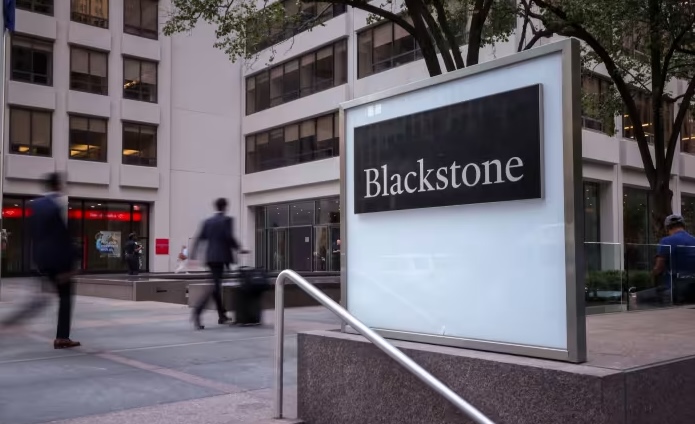
Photo: Michael Nagle | Bloomberg
On June 22, 2026, Apollo Global Management disclosed in an SEC filing that investors attempted to withdraw a staggering 16.8% of its flagship $26 billion retail private credit fund, Apollo Debt Solutions (ADS). That is $2.4 billion in redemption requests, up from 11% just one quarter prior. To prevent a forced fire sale of assets, Apollo invoked its strict 5% redemption cap, effectively locking up investor capital.
This is not an isolated incident of a single fund manager facing trouble. It is the flashing red warning sign that the private credit market—a $2 to $3 trillion shadow banking behemoth—is experiencing its first major liquidity test. Across nine major retail private credit funds, investors tried to pull nearly $15 billion this quarter alone, forcing giants like BlackRock and Cliffwater to enforce similar 5% withdrawal gates.
While institutional giants like Goldman Sachs argue this is a healthy "recalibration," the structural forces at play suggest a more sinister outcome. The private credit market exploded over the last decade because traditional commercial banks pulled back from corporate lending after 2008. Now, as these shadow banks are forced to hoard cash, that critical funding source is vanishing, threatening a severe credit crunch for the real economy.
The Structural Lie: How We Got Here
The underlying issue is not Apollo's management—it is a severe structural asset-liability mismatch. Private credit funds pooled illiquid, 5-to-7-year corporate loans but wrapped them in retail products promising quarterly withdrawals. You cannot grant immediate cash liquidity on assets that take years to mature. When panic hit, funds had no choice but to "gate" or trap investor money.
This was exacerbated by the "SAAS-Pocalypse." Funds allocated 20% to 40% of their portfolios to Software-as-a-Service (SaaS) companies based on "recurring subscription revenue." However, rapid advancements in AI code-generation software severely threatened these business models, vaporizing those revenues and leaving lenders with massive defaults and zero physical assets to repossess. The U.S. private credit default rate has already hit a record 6.0%, with Morgan Stanley warning it could climb to 8%.
Why the Average Person Should Be Worried
While private credit sounds like an abstract financial concept, it serves as the invisible engine funding the economy you interact with daily. The freeze will ripple out of Wall Street and directly impact job security, everyday borrowing costs, and pension stability.
- Job Layoffs: Private credit funds primarily finance "middle-market" companies that employ one-third of all American workers. As their credit is frozen, they will be forced into aggressive cost-cutting and layoffs starting late 2026.
- Everyday Borrowing Costs: Major commercial banks have lent hundreds of billions to these funds. As losses mount, banks will tighten lending standards for everyone, making mortgages, auto loans, and credit cards harder and more expensive to get.
- Threats to Pensions: Major public pension funds (for teachers, firefighters, and civil servants) heavily invested in private credit to chase yield. The sudden fund gating and mounting defaults threaten lower returns and trapped cash, straining municipal budgets.
- Market Contagion: To pay back billions in redemptions, asset managers may be forced to sell their most liquid assets (public stocks), triggering artificial downward pressure on the S&P 500 and shrinking your 401(k).
The Timeline of Pain: When Will It Hit?
The crisis is not a distant threat—it is unfolding in three distinct waves. The initial shockwave hit in June 2026 with fund gating and the abrupt end of loose lending terms. The second wave, projected for Q3-Q4 2026, involves a $12.7 billion "maturity wall" where mid-sized businesses will be unable to refinance their debt, triggering a surge in corporate bankruptcies and visible hiring freezes in the tech sector.
By early 2027, the distress will officially transition to traditional commercial banks. Because banks have over $300 billion directly lent out to private credit funds as back-leverage, banking partners will be forced to tighten their own lending standards. This will restrict everyday consumer credit, mortgages, and standard small business loans, anchoring the broader economy into a deeper growth slowdown.
Crisis or Correction?
Whether this becomes a systemic crisis or a severe correction depends on two critical factors. The bear case, voiced by JPMorgan CEO Jamie Dimon, warns about "cockroaches" hidden in the market's opaque valuations. If the panic spreads to commercial banks, a full-blown credit crunch is inevitable. However, the bull case argues that 80% of private credit capital is locked up long-term by pensions, and the 5% gates are acting as circuit breakers to prevent a 2008-style collapse.
Ultimately, the 16.8% redemption request signals that the era of easy, unexamined private liquidity is definitively over. The real economy is about to feel a noticeable squeeze, and while it may not trigger a global financial meltdown, it certainly marks the beginning of a painful and unavoidable economic realignment.
No Ads. By Us. For Us.
This article was made possible by readers like you. We hope it inspired you to support Emerald Book, so we can continue producing content like this.
We will never show you ads, sell your data, or require a subscription to consume our content. Your gift helps us keep the truth accessible.
Click the Support button to give a gift of any amount today.
Thank you for making this work possible.