

Emerald Pages
◆
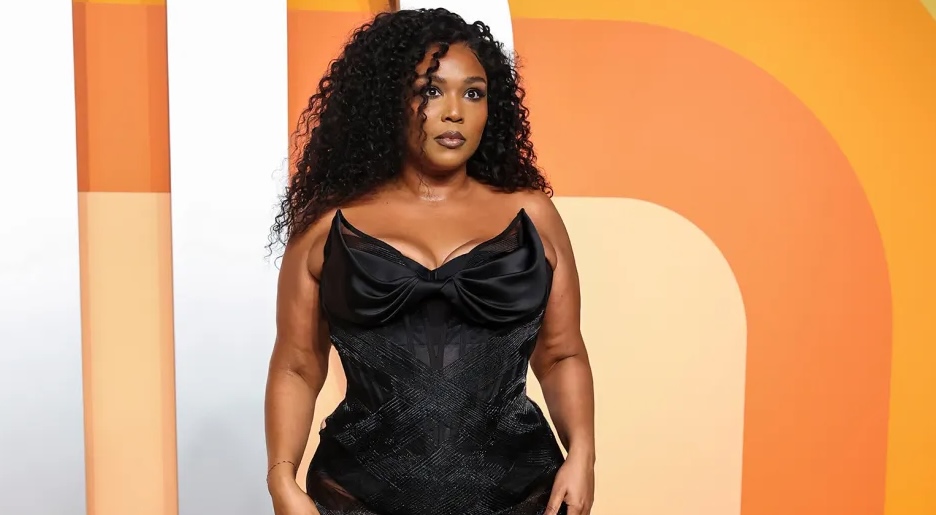
Photo: Chad Salvador
The numbers are in, and they are devastating. Lizzo's fifth studio album, Bitch, released on June 5, 2026, has been declared a commercial flop of historic proportions. Failing to even debut on the Billboard 200 chart, the album sold fewer than 6,000 traditional copies in its first week—a catastrophic crash for a 4-time Grammy winner whose previous album, Special, debuted at No. 2. But this collapse is about far more than just bad sales; it signals the definitive death of corporate "woke-washing."
For nearly a decade, Hollywood and Fortune 500 companies operated on a lucrative formula: weaponize progressive aesthetics, market them heavily to middle-class white liberals eager to signal their virtue, and cash the checks. Lizzo was the ultimate emblem of this era—a wildly talented, plus-sized Black woman whose music became the soundtrack for Target commercials, suburban spin classes, and corporate DEI PowerPoint presentations. But as our political and cultural landscape has shifted under the Trump administration, her corporate utility has evaporated, leaving her stranded without a core fanbase to catch her fall.
The Brutal Numbers: A Career in Freefall
The commercial performance of Bitch paints a picture of a star whose audience has completely evaporated. In the first 24 hours, the album pulled in a meager 633,914 streams on Spotify across all tracks. Not a single song managed to crack the Billboard Hot 100 or the Spotify Top 200, a shocking reality for an artist who once dominated the airwaves with anthems like "About Damn Time" and "Good as Hell."
- First Week Sales: Fewer than 6,000 traditional copies sold.
- Streaming Debut: Only 633,914 Spotify streams in the first 24 hours.
- Chart Performance: Zero tracks on the Billboard Hot 100 or Spotify Top 200.
- Preceding Disasters: Early singles, including a Meredith Brooks cover, completely cratered in sales and radio airplay.
In response to the mockery on social media, Lizzo deflected blame onto streaming algorithms and her label, Atlantic Records, accusing them of abandoning her marketing efforts. However, pop culture critics and fans point to a more fundamental issue: the 2023 backup dancer lawsuit that shattered her "empowerment-core" brand.
The Demographic Disconnect: Marketing to White Liberals
The uncomfortable truth that many are unwilling to discuss is that Black people were never Lizzo's primary fanbase. Her mainstream explosion was heavily driven, curated, and sustained by a predominantly white, female, liberal audience. Major corporations and advertising agencies realized that Lizzo's brand of ultimate self-love was easily packageable into commercials, playlist covers, and award show headliners.
This created a dangerous dynamic. For white liberal women, championing Lizzo became a form of low-effort allyship—a way to signal support for body positivity and diversity without engaging in deeper, more uncomfortable cultural conversations. Meanwhile, Black radio audiences were slower to adopt her, perceiving her hyper-exuberant persona as a manufactured product designed to entertain white audiences.
The Trap of the White Gaze and the Corporate Retreat
Because Lizzo's career was built on being a political and social symbol for white liberal consumers, she was entirely dependent on the survival of that specific political climate. When the Trump administration returned to power, the cultural pendulum swung hard away from progressive aesthetics. Major corporations like Tractor Supply, John Deere, and Harley-Davidson have publicly rolled back their DEI initiatives to avoid conservative boycotts.
Lizzo was no longer profitable PR. The very corporate infrastructure that invented her "empowerment-core" genre transitioned to survival mode, prioritizing risk aversion over social justice brownie points. The moment she became "messy" due to the lawsuit, her utility was gone.
The Blueprint: Roots First, Crossover Second
The ultimate lesson from Lizzo's collapse is the importance of sticking to your roots. In Black music culture, the core base provides a unique type of cultural protection, loyalty, and longevity that corporate marketing cannot replicate. Artists like Beyoncé and Megan Thee Stallion built their foundations within the Black community first, securing a fortress of loyalty before taking corporate deals.
Beyoncé constantly pours back into her roots (Homecoming, Black Is King), anchoring her global brand in Black history. Megan Thee Stallion commands massive corporate deals while keeping her music deeply rooted in southern rap culture. When corporations drop them—or when personal scandals arise—their core fanbase remains unshakeable.
By allowing herself to be molded into a sterile symbol of corporate DEI, Lizzo became a cultural orphan. She traded cultural equity for corporate checks—and in the entertainment industry, corporate checks always have an expiration date. Her flop is not just a career failure; it is the definitive tombstone for the era of corporate virtue signaling to white liberals.
No Ads. By Us. For Us.
This article was made possible by readers like you. We hope it inspired you to support Emerald Book, so we can continue producing content like this.
We will never show you ads, sell your data, or require a subscription to consume our content. Your gift helps us keep the truth accessible.
Click the Support button to give a gift of any amount today.
Thank you for making this work possible.