

Emerald Pages
◆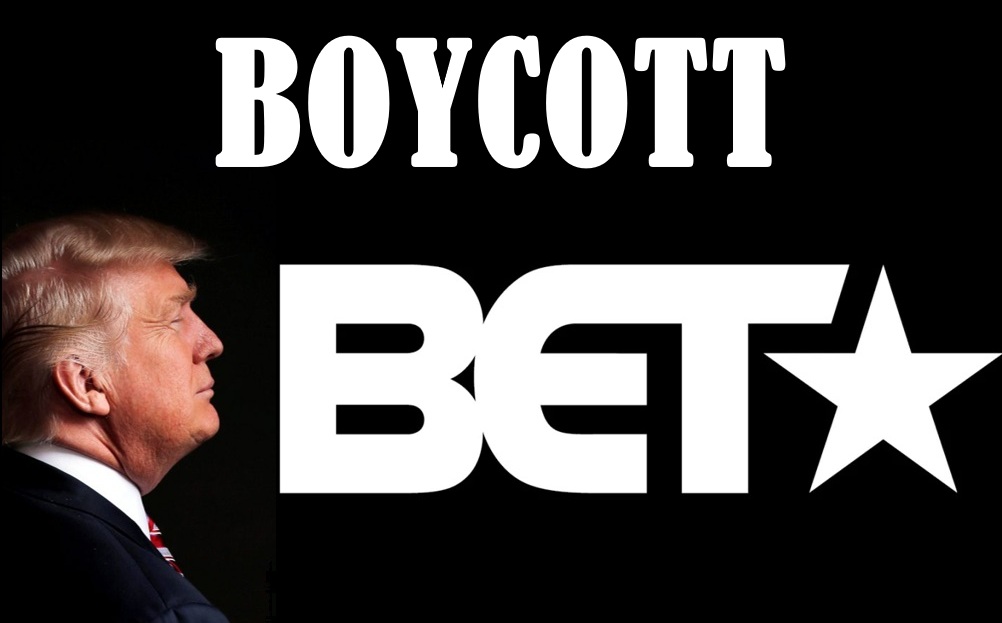
Photo: Emerald Book Graphic
For most of its 46-year history, Black Entertainment Television was more than a cable channel—it was a cultural institution. Founded by Robert L. Johnson in 1980, BET stood as a rare symbol of Black economic power in mainstream media. But in May 2026, that legacy came under unprecedented attack. Not from outside critics, but from the very audience the network was built to serve.
What began as a solitary investigative report on May 18 has since detonated into a dual-front boycott movement. On one side, political activists and media watchdogs, armed with hard data about corporate ownership. On the other, millions of young music fans, furious over award show snubs. Together, they represent the most serious threat to BET's cultural standing in a generation.
The Spark: An Investigation That Changed Everything
Before May 18, 2026, the conversation about BET was largely confined to ratings and programming decisions. That changed the moment Emerald Book published "How BET Became 0% Black-Owned and Heavily Aligned With Trump." The investigation revealed three devastating facts that most viewers had never known.
- Zero percent Black ownership: While BET was founded by Robert L. Johnson as a proud symbol of Black economic power, it is now entirely controlled by its white-owned parent company, Paramount Global.
- Deep political alignment: The billionaire leadership at the top of BET's corporate structure is heavily aligned with Donald Trump and corporate rollbacks of diversity, equity, and inclusion (DEI) programs.
- Systematic dismantling of DEI: Corporate owners have actively participated in rolling back hiring programs for Black workers and canceling major Black cultural events that the community once celebrated.
The report landed like a thunderclap. Within days, activist circles were sharing the findings across Instagram and TikTok. For the first time, ordinary viewers began asking a question the network had long avoided: if Black audiences no longer control the narrative, can the platform truly serve Black interests?
The Second Wave: NBA YoungBoy and the Fan Revolt
Just three days after the Emerald Book investigation, BET released its official list of nominees for the 2026 BET Awards. The timing could not have been worse. When millions scrolled through the list, they noticed a glaring omission: rapper NBA YoungBoy—one of the most streamed artists of the past year—had received zero nominations.
His fanbase, one of the most passionate and digitally organized in music, erupted. On May 21, 2026, the exact day the nominees were announced, hip-hop news accounts and fan groups began posting calls for a boycott of the upcoming awards show, scheduled for June 28 at the Peacock Theater in Los Angeles.
"NBA YoungBoy sold out arenas. He dominated streaming. He defined the sound of young hip-hop," one popular Instagram account wrote. "And BET gave him NOTHING. Don't watch. Don't engage. Boycott."
Two Movements, One Target
What makes the current moment so volatile is the convergence of two completely separate boycott movements, each with its own motivations and tactics.
The Political/Economic Boycott (Started March–May 18, 2026): Sparked by the Emerald Book investigation, this movement is driven by activists, media watchdogs, and cultural critics. They urge viewers to turn off the channel entirely—not just the awards show—due to concerns about corporate ownership, political alignment, and the erosion of Black media control. Their boycott is open-ended and structural.
The Music Fan Boycott (Started May 21, 2026): This is the younger, more viral push on social media. Triggered purely by the NBA YoungBoy snub, fans are specifically calling on people to skip the June 28 awards ceremony. Their protest is about recognition and respect for an artist they believe was deliberately overlooked.
The Emerald Book investigation laid the groundwork by making people question their loyalty to the network. When the nomination controversy erupted just 72 hours later, the fan protest was able to catch fire on ground that was already politically primed.
What Else Is Happening in the News?
To understand the full context, it is important to note that BET's own news division has been extensively covering two other major economic protests in recent weeks—protests that ironically mirror the calls now being made against the network itself.
- The NAACP Call to Action: The NAACP recently urged Black student-athletes to reconsider attending or playing for certain public universities in response to state-level changes affecting diversity and voting rights. BET has provided wall-to-wall coverage of this developing story.
- The Target Boycott: BET has been running extensive coverage and opinion pieces on the ongoing shopper boycott against Target, which started after the retailer scaled back its DEI commitments. That boycott began February 1 and remains active as of May 2026.
The irony has not been lost on critics. "BET will cover every corporate boycott except the one aimed at their own parent company," one Threads user wrote. "They'll report on Target's DEI rollbacks but won't mention that their own owners are doing the same thing."
The Big Question That Started It All
The entire point of the Emerald Book investigation was to force a conversation that many in media had avoided for years. The article concluded with a question that now hangs over every aspect of this controversy.
Can a TV network truly protect Black culture and economic interests when Black people have zero power over it?
That question becomes more urgent with each passing day. The 2026 BET Awards are now just one month away, scheduled for Sunday, June 28, at the Peacock Theater in Los Angeles. Comedian Druski is set to host, making history as the youngest host the event has ever seen. Cardi B leads the nominations with six nods, followed by Kendrick Lamar and Mariah the Scientist with five each.
But whether viewers will actually tune in remains an open question. The online clash between supporters of the boycott and those planning to watch is expected to intensify over the next four weeks. For a network that has spent nearly half a century defining Black entertainment, the coming month may determine whether it can survive as a cultural touchstone—or whether audiences have finally decided that representation without ownership is no longer enough.
No Ads. By Us. For Us.
This article was only made possible by readers like you. We hope it inspired you to support Emerald Book, so we can continue producing content like this.
We will never show you ads, never sell your data, and never require a subscription to consume our content. Your gift helps us keep the truth accessible.
Please click the Support button on the bottom right of your screen to make a gift of any amount today.
Thank you for making this work possible.