

Emerald Pages
◆
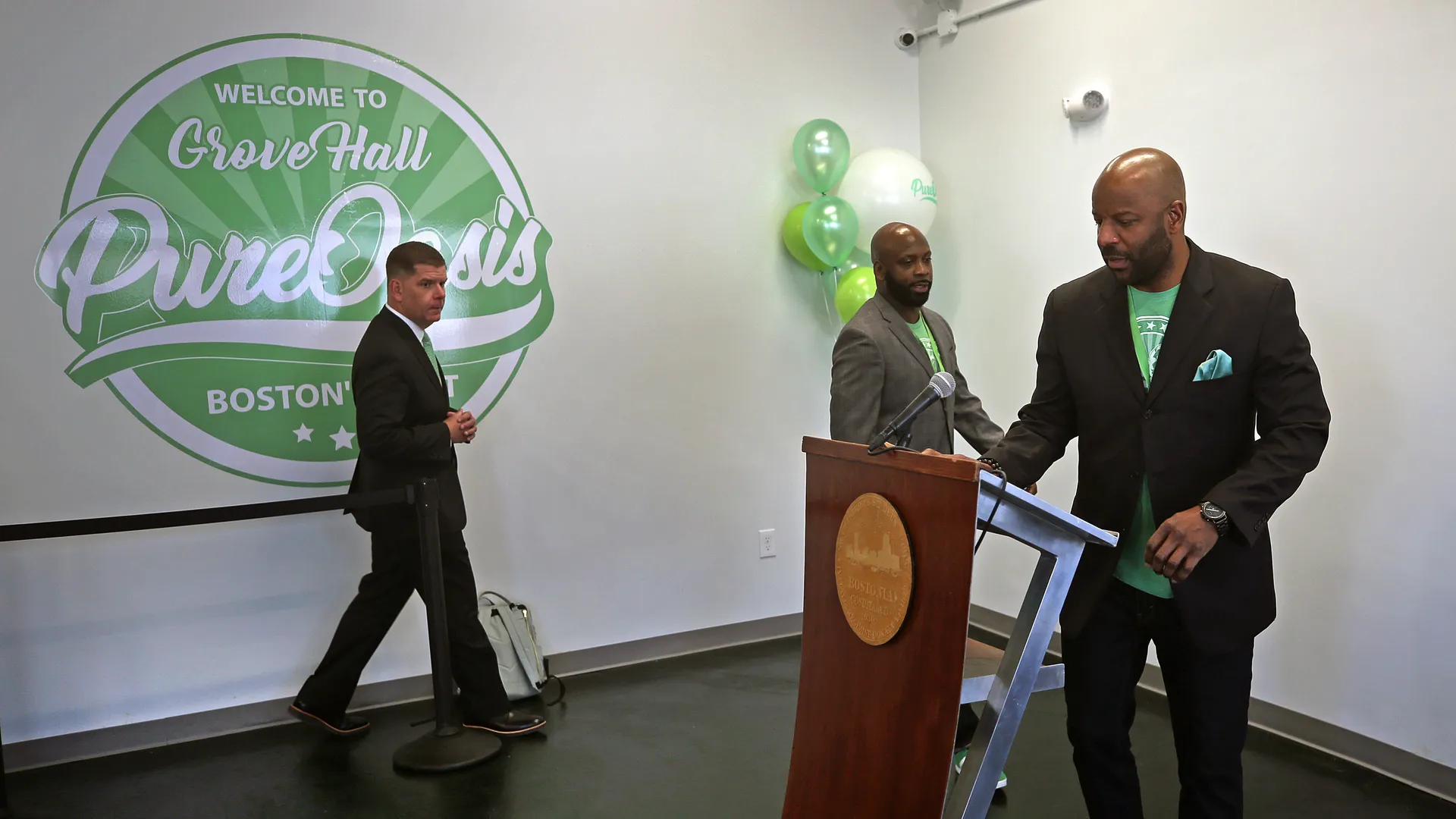
Photo: David L. Ryan | The Boston Globe | Getty Images
The past seven days offered a perfect microcosm of the state of the Black economy: expansion and fragility, side-by-side. On one hand, community-driven events like Black Restaurant Week in Houston showcased the power of collective economic action. On the other, the closure of Pure Oasis—a prominent Black-owned cannabis dispensary in Boston—served as a stark reminder of how quickly momentum can stall without adequate capital.
This isn't just a news cycle. It's a structural signal. The data we tracked this week points to a clear conclusion: The Black economy is growing despite the system, not because of it. And while entrepreneurship is booming—particularly among Black women—the persistent inability to access funding is turning what should be a renaissance into a high-stakes survival race.
The closure of Pure Oasis is particularly instructive. The Boston-based dispensary shuttered its doors owing an estimated $400,000 in back taxes after a promised $300,000 equity grant failed to materialize. In the "equity" cannabis industry—specifically designed to include those harmed by the War on Drugs—the margin for error remains razor-thin. Without a safety net, a single missed funding commitment can collapse an entire operation.
Community Ecosystems vs. Institutional Support
While institutional pipelines remain clogged, grassroots ecosystems are thriving. Houston's Black Restaurant Week featured over 60 Black-owned eateries, utilizing promotions, tasting menus, and community activations to drive immediate revenue. This isn't just charity; it's an effective economic engine. However, relying solely on community dollars places a ceiling on scalable growth.
There are glimmers of infrastructure development. BEACON Kitchen, a culinary incubator, recently secured roughly $1 million in grants to expand its support for small food entrepreneurs. Similarly, the Famous Amos "Ingredients for Success" initiative continues to deploy about $150,000 in grants along with mentorship. But relative to the need, these programs are drops in a very large bucket. With roughly 50% of Black businesses reporting unmet funding needs and only 1% of venture capital going to Black founders, the gap is staggering.
- Closure Signal: Pure Oasis closure (Boston) highlights fragility in "equity" industries due to a $400K tax debt and a failed $300K grant.
- Growth Signal: Houston Black Restaurant Week activated 60+ businesses, proving community ecosystems are reliable growth engines.
- Structural Shift: Black women remain the fastest-growing group of entrepreneurs, driven by corporate DEI pullbacks and economic necessity.
This leads us to the most critical macro signal of the week: the structural shift toward self-employment. Black women remain the fastest-growing group of entrepreneurs in the U.S., but the drivers are concerning. As corporate America pulls back on Diversity, Equity, and Inclusion (DEI) initiatives and promotion pipelines shrink, economic necessity is forcing a generation of professionals to build their own tables. This is not a trend; it is a permanent realignment toward parallel economic systems.
So, where do we go from here? For those tracking the Black economy seriously, watch the volatility. The tension between the surge in new business applications and the uptick in closures is the stress indicator to monitor. The solution remains stubbornly simple yet elusive: access to capital. Until the funding gap closes, the Black economy will continue to run a marathon with its shoelaces tied together—fast, fierce, but always at risk of a sudden fall.
No Ads. By Us. For Us.
This article was only made possible by readers like you. We hope it inspired you to support Emerald Book, so we can continue producing content like this.
We will never show you ads, never sell your data, and never require a subscription to consume our content. Your gift helps us keep the truth accessible.
Please click the Support button on the bottom right of your screen to make a gift of any amount today.
Thank you for making this work possible.