

Emerald Pages
◆
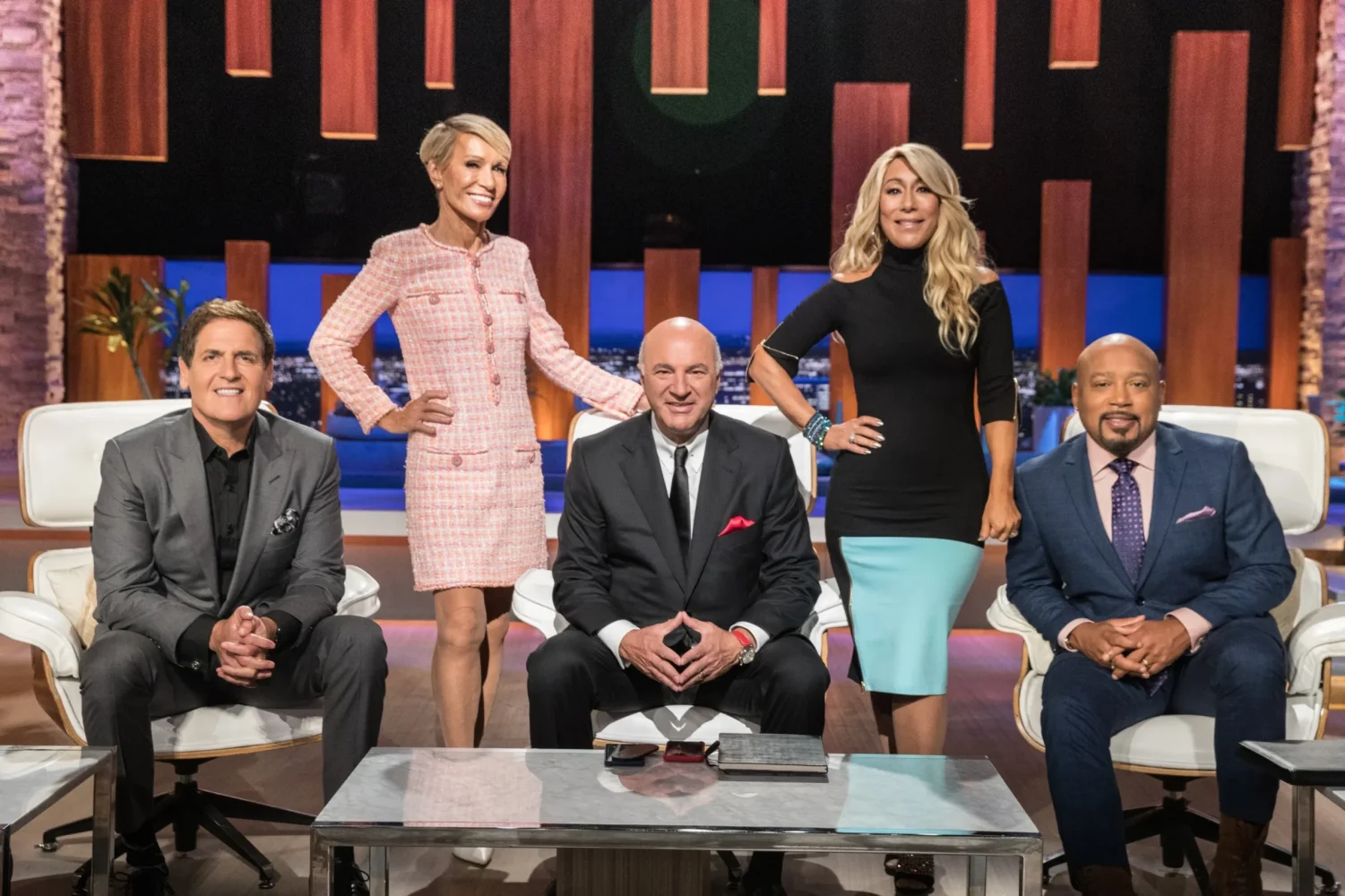
Photo: Dan MacMedan | USA Today
For nearly two decades, the tank lived in California. Aspiring entrepreneurs flew across the country, hoping to secure a life-changing deal under the bright lights of the Sony Pictures lot in Culver City. But on May 15, 2026, that era came to an end. ABC’s “Shark Tank” is officially relocating its production to Atlanta for Season 18, trading Hollywood soundstages for a historic former military base now home to the largest Black-owned film studio in the United States.
The move, first reported by the Atlanta Journal-Constitution, was driven by cold financial reality. According to industry suppliers who spoke with the show’s line producer, remaining in California had simply become too expensive. The state’s tax credit structure has long favored scripted television over unscripted reality and game shows. Meanwhile, Georgia’s generous film incentives — combined with a deep bench of local crews — made the “Hollywood of the South” impossible to ignore. Production for Season 18 is scheduled to begin in June 2026 at its new home: Tyler Perry Studios.
While the network has not issued an official press release, the implications for Atlanta’s Black economy are already coming into focus. The city is frequently called the “Black Mecca,” with roughly 9% of its businesses being Black-owned — the highest rate in the country. By contrast, the national average hovers around 3%. Moving “Shark Tank” to this ecosystem is not just a logistical decision; it is an economic intervention.
A $280 Million Ecosystem: Tyler Perry Studios as Economic Engine
Perhaps the most significant beneficiary is the studio itself. Tyler Perry’s self-funded campus, now valued at $280 million, will house the multi-million dollar production. A portion of the show’s budget will flow directly into the largest Black-owned film campus in America. Perry has previously noted that his studio operation has “made more Black millionaires” than any other studio ecosystem by prioritizing minority hiring, equitable wages, and upward mobility. The arrival of a major network franchise creates stable, recurring revenue for the campus and its network of preferred vendors.
Beyond the studio gates, the ripple effects are substantial. Television sets require an extensive support network: catering, transportation, security, set construction, and hair and makeup professionals. Because Atlanta has a highly dense network of minority-owned corporate suppliers, the unscripted production will inject “no-strings-attached” vendor revenue directly into these small businesses during each filming cycle.
Lowering the Barrier for Black Founders
Historically, traveling to Los Angeles for multi-step casting calls, auditions, and live filming was a financial barrier for early-stage or underfunded founders. A plane ticket, hotel stay, and several days away from a fledgling business could cost thousands of dollars — a prohibitive sum for entrepreneurs already bootstrapping their ventures.
Setting up shop in Atlanta changes that calculus. Local innovators, who are heavily concentrated in the Southeast, can now pitch their companies with significantly fewer travel expenses and logistical hurdles. The show’s physical presence in the city aligns perfectly with existing local institutions designed to scale Black-owned ventures, including:
- The Russell Center for Innovation & Entrepreneurship (RCIE): The largest non-profit center in the country dedicated to growing Black businesses, now positioned to host local casting calls and workshops.
- Operation HOPE: Based in Atlanta and led by John Hope Bryant, this organization works directly with companies like Shopify to scale Black entrepreneurship. Having a primary capital engine like "Shark Tank" nearby allows for massive local networking alignment.
- The Gathering Spot: A private membership club for professionals of color that already serves as a hub for Atlanta’s creative and business class.
Shark Tank investor Daymond John has already demonstrated a commitment to the city. He previously chose Atlanta to host his annual Black Entrepreneurs Day, citing the city’s unique blend of “innovation, history, and empowerment.” Bringing the actual TV production to Atlanta tightens the ties between mainstream venture capital and local professional hubs.
Combating the Wealth Gap Through Venture Capital
While Atlanta is a cultural mecca, it faces stark economic disparities. According to data from the Annie E. Casey Foundation, the median net worth of Black households in the city is roughly $5,180 compared to $285,355 for white households. Furthermore, historical trends show the average Black-owned business in Atlanta is valued significantly lower than white-owned peers due to imbalances in traditional lending.
“Shark Tank” introduces an entirely different vehicle for closing this gap: no-strings-attached equity venture capital. By physically embedding the Sharks — including mainstays like Lori Greiner, Daymond John, Kevin O’Leary, and guest investors such as Rashaun Williams — within the city, local entrepreneurs gain unprecedented access to angel investors who look past traditional credit hurdles to fund raw potential. The show does not issue loans; it issues investments in exchange for equity, aligning the Sharks’ success with the founders’ growth.
Jobs for Black Entertainment Crews
The move directly protects and expands jobs for Georgia’s diverse film labor market. While Georgia’s 18-year-old state film tax credit system remains a massive draw, scripted film volumes have experienced recent fluctuations due to global competition. Bringing a major, recurring unscripted franchise like “Shark Tank” creates stable, highly sought-after crew positions. Tyler Perry Studios is famous for its TPS DREAMERS internship program and commitment to training diverse media professionals. Local Black camera operators, lighting directors, audio engineers, and production assistants will gain tier-1 network television credits without needing to relocate to California.
The move also sends a broader signal. Atlanta has long been dubbed the “Hollywood of the South,” but landing a franchise with the cultural cachet of “Shark Tank” — alongside existing productions like “Stranger Things,” “The Walking Dead,” and numerous Marvel films — cements the city’s status as a permanent, year-round production hub. For Black professionals in entertainment, this means staying home to build a career rather than uprooting for Los Angeles or New York.
As June 2026 approaches and production gears up at Tyler Perry Studios, one thing is clear: the tank is no longer a distant destination. It is now a neighbor. For Atlanta’s entrepreneurs, the opportunity has never been closer.
No Ads. By Us. For Us.
This article was only made possible by readers like you. We hope it inspired you to support Emerald Book, so we can continue producing content like this.
We will never show you ads, never sell your data, and never require a subscription to consume our content. Your gift helps us keep the truth accessible.
Please click the Support button on the bottom right of your screen to make a gift of any amount today.
Thank you for making this work possible.