

Emerald Pages
◆
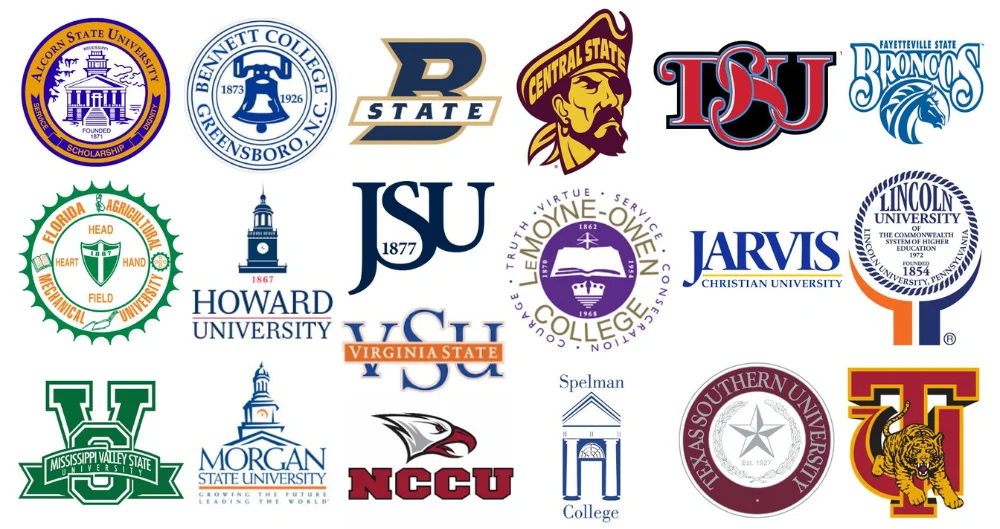
Photo: The HBCU Advocate
For generations, the mantra was simple: go to college, get a degree, and secure a lifetime of financial stability. The math looked bulletproof. A bachelor's degree holder earns approximately $2.8 million over a lifetime compared to $1.6 million for a high school graduate — a cool $1.2 million advantage. Economists at the Federal Reserve Bank of Minneapolis pegged the average annual return on investment (ROI) for a degree at roughly 12.5%, outperforming the stock market. But data from 2025 and 2026 tells a more complicated, and for many Black students, alarming story. While the premium still exists on paper, the real-world path to realizing that wealth has become fraught with debt traps, hiring freezes, and a "race penalty" that makes the degree increasingly less worth the price tag.
The headline numbers still look promising. Median annual earnings for degree holders hover around $80,000 versus $47,000 for high school graduates, and the unemployment rate for degree holders (2.5%-2.9%) is significantly lower. However, these averages hide a brutal reality: the "college wage premium" has stagnated since the year 2000, while the cost of attendance has skyrocketed. Recent data from the Brookings Institution shows that while the wage premium exists, the wealth premium has largely disappeared for younger graduates due to debt drag and the high cost of living in degree-dependent cities. For the Class of 2026, the entry-level job market is a battlefield, with starting salaries averaging $56,153 — a staggering $24,000 less than what seniors expect to earn.
The situation is even direr when examining the labor market entry point. As of the first quarter of 2026, the unemployment rate for recent college graduates (ages 22-27) skyrocketed to 5.7%. But for Black graduates specifically, the rate is a devastating 8.7% — nearly double that of their white peers (5.5%). This "first fired, last hired" dynamic during economic volatility means that Black degree holders are disproportionately shut out of the very jobs they borrowed money to qualify for. Furthermore, underemployment (working a job that doesn't require a degree) sits at 14.1% for Black graduates, the highest of any demographic. The math is cruel: you take on the debt, but the market refuses to cash the check.
The Debt Trap: How We Got Here
To understand why college is becoming less worth it, you have to look at the balance sheet. As of 2026, the average Black bachelor's degree holder carries $52,726 in student loan debt — nearly $25,000 more than their white counterparts. This disparity is driven by the racial wealth gap; Black families have less generational wealth to draw upon, forcing students to borrow more for tuition, room, and board.
The "break-even" point — the age where your cumulative earnings finally surpass those of a high school graduate — is supposed to be around 31 to 34. However, for Black graduates carrying $50,000+ in debt, paying off that principal takes much longer. While federal loans are designed for a 10-year payoff, the real-world average for a bachelor's degree holder is 17 to 20 years. And here is the hidden tax: four years after graduation, 48% of Black borrowers actually owe more than they initially borrowed due to capitalized interest. You can pay diligently for four years and be further underwater than the day you graduated.
- The Wage Gap: Black graduates see a 67% increase in lifetime earnings compared to high school grads, but white graduates see a 74% increase.
- The Unemployment Gap: While recent grad unemployment is high (5.6%), the rate for young Black workers without a degree is a staggering 7.2%, proving the degree is still a necessary shield.
- The Interest Trap: High interest rates mean the average debt load of ~$30,000 requires roughly $350/month for 10 years just to break even on principal.
The HBCU Solution: A Higher ROI for Black Students
However, the data presents one glaring exception to the rule of "diminishing returns." While Predominantly White Institutions (PWIs) often show higher raw salary numbers for Black graduates, they come at a punishing cost. The math for Historically Black Colleges and Universities (HBCUs) tells a different story of financial security.
Recent research indicates that the average cost of attendance at an HBCU is roughly 28% lower than at comparable non-HBCUs. Because the debt burden is significantly lighter, HBCU graduates often report higher levels of financial security during and immediately after college. They hit their "break-even" point faster, allowing them to start building wealth — buying homes, investing, saving for retirement — a decade earlier than peers who attended expensive PWIs.
When you recalculate the ROI using the Incremental ROI method (which factors in direct tuition and the opportunity cost of lost wages), HBCUs frequently top the list for Black students. A lower entry price plus a supportive alumni network that fights against the 8.7% unemployment ceiling creates a mathematically superior outcome. Simply put, for a Black student in 2026, attending a PWI often means paying a premium for a degree that yields a lower net return due to discrimination in the hiring market. Attending an HBCU removes the "race penalty" from the balance sheet, replacing it with a community-driven safety net.
The conclusion is uncomfortable but data-driven. College is still "worth it" as a defensive move — the unemployment rate for Black high school graduates is more than triple that of college graduates. But the era of "any degree from any school" being a good investment is over. For Black students facing systemic headwinds, the only way to ensure the math works is to minimize debt drastically. Unless you receive a full-ride scholarship to a selective PWI, the data suggests that the high-value, low-cost route offered by HBCUs is not just a cultural choice — it is the superior financial strategy.
No Ads. By Us. For Us.
This article was only made possible by readers like you. We hope it inspired you to support Emerald Book, so we can continue producing content like this.
We will never show you ads, never sell your data, and never require a subscription to consume our content. Your gift helps us keep the truth accessible.
Please click the Support button on the bottom right of your screen to make a gift of any amount today.
Thank you for making this work possible.