

Emerald Pages
◆
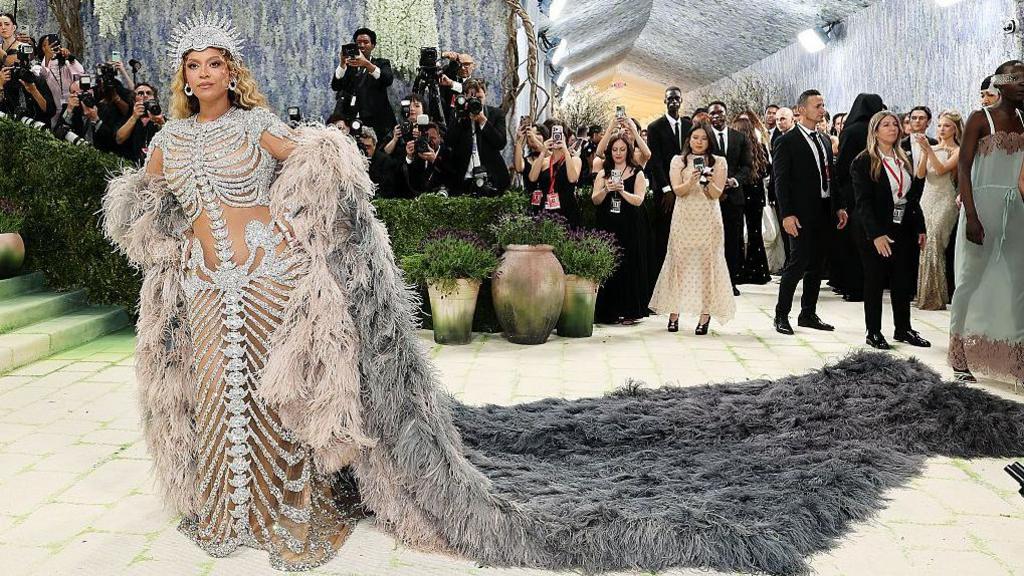
Photo: Getty Images for Met Gala
The 2026 Met Gala, held on Monday, May 4, came with a staggering price tag: $100,000 for an individual ticket and $350,000 for a ten-person table. That's a dramatic jump from 2025's $75,000 ticket price, cementing the event's status as the most exclusive — and expensive — fundraiser on the social calendar. But here's the secret almost no one talks about: nearly every celebrity walking the carpet pays absolutely nothing.
On paper, the Met Gala is a benefit for the Metropolitan Museum of Art's Costume Institute, with all proceeds supporting exhibitions and preservation efforts. In practice, it has evolved into something far more commercially potent: a $1.3 billion marketing machine disguised as a charity dinner. For luxury fashion houses, that $350,000 table isn't an expense — it's the best advertising buy of the year.
The economics explain everything. In 2025, the Met Gala generated an estimated $1.3 billion in Media Impact Value (MIV) — roughly double the Super Bowl's media footprint. For a luxury house like Saint Laurent or Prada, buying a table and dressing a handful of A-listers costs a fraction of what a global print or digital campaign would run. The return isn't just immediate buzz; it's permanent. Those red carpet images live forever in fashion archives, Pinterest boards, and "best dressed" lists that resurface year after year.
Who Actually Writes the Check?
Even with a $100,000 ticket price, very few attendees pay their own way. The ecosystem works like this: fashion houses purchase tables (starting at $350,000) and invite celebrities to sit with them. In exchange for the "free" ticket — plus a custom couture gown that can cost hundreds of thousands of dollars to produce — the celebrity wears the brand's design on the red carpet. The brand gets the exposure; the celebrity gets the invitation. No cash changes hands between them.
- Brands pay: Table cost ($350k+) + custom garments ($50k–$500k+) + travel and glam squads for their celebrity guests
- Celebrities receive: Free ticket, custom couture on loan, first-class travel, luxury hotel stay, and professional hair/makeup styling
- What celebrities almost never receive: An actual paycheck for attending. The "payment" is the invitation and global exposure.
For celebrities who aren't sponsored — which is rare — the out-of-pocket cost is staggering. Beyond the $100,000 ticket, self-paying attendees cover their own glam squad ($20,000–$40,000+), luxury accommodations ($5,000–$15,000), and transportation. Total outlay for an unsponsored guest: easily $127,000 to $145,000. Even then, they're still expected to wear a designer's garments — or risk Anna Wintour's disapproval.
The 2026 Shift: Billionaires and Big Tech
This year's gala leaned even harder into the corporate-creative hybrid model. Jeff Bezos and Lauren Sánchez served as lead sponsors, reportedly donating at least $10 million to the Costume Institute. Tech platforms like Amazon and Instagram also signed on as direct sponsors, using the event to cement their places in fashion's inner circle. The theme, "Costume Art," with a dress code of "Fashion Is Art," provided the perfect high-culture wrapper for what is essentially a trade show for luxury marketing.
The arrangement works because everyone gets what they need. The museum receives millions in funding. Fashion houses generate cultural cachet and measurable media returns. Celebrities maintain their status as style icons without spending a dime. And the audience? They see stunning photographs, viral moments, and the illusion of an unattainable world — which is exactly the point. The Met Gala isn't a party. It's a campaign. And it's working better than ever.
So the next time you see a headline about a $100,000 ticket, remember: that's not the cost of attendance. That's the price of admission to the most efficient marketing engine luxury fashion has ever built.
No Ads. By Us. For Us.
This article was only made possible by readers like you. We hope it inspired you to support Emerald Book, so we can continue producing content like this.
We will never show you ads, never sell your data, and never require a subscription to consume our content. Your gift helps us keep the truth accessible.
Please click the Support button on the bottom right of your screen to make a gift of any amount today.
Thank you for making this work possible.