

Emerald Pages
◆
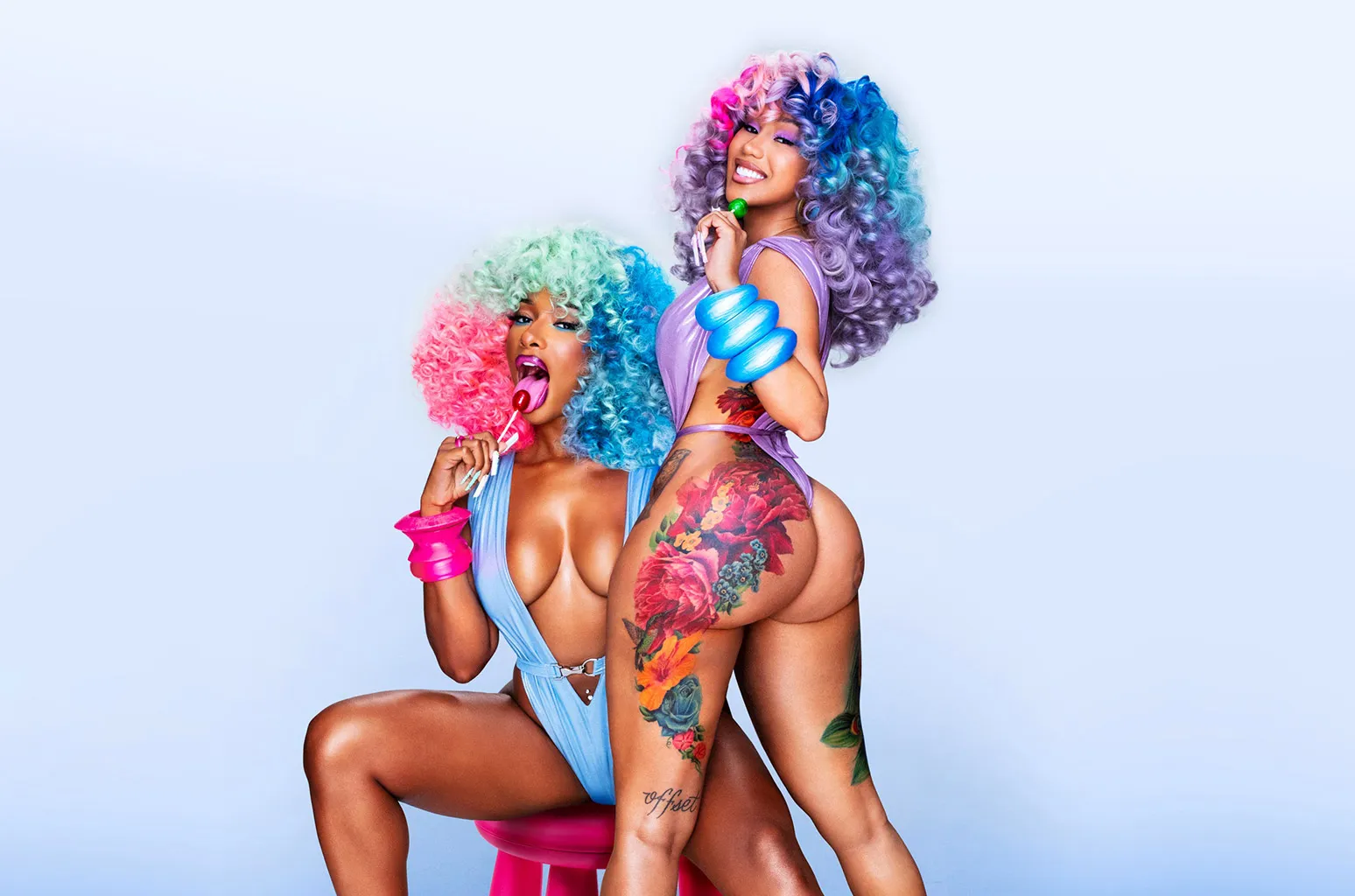
Photo: Jora Frantzis
For decades, the feminist movement has encouraged women to shatter glass ceilings, embrace sexual autonomy, reject the male gaze by appropriating it, and proclaim a fierce, performative independence. On their own, each of these goals represents a vital freedom. However, recent 2026 data reveals a disturbing, unspoken truth: when these pinnacles are pursued simultaneously—hyper-independence, top-tier financial success, a high number of sexual partners, and the provocative public display of one’s body—the compound effect almost guarantees romantic failure. We have optimized for individual empowerment while systematically dismantling the very architecture required for intimate partnership.
The modern gospel tells women they can have it all. But new research suggests that “having it all” often translates to having no one. The issue isn’t any single achievement but the toxic synergy between them. A woman earning $250,000 with a history of 15 partners and a public Instagram feed of bikini shots from Santorini is not merely “living her truth.” According to longitudinal data, she has statistically engineered a scenario where her desirability for long-term commitment approaches near-zero levels among high-value, emotionally available men. This is not misogyny; this is the cold mathematics of mate selection.
Consider the first pillar: financial hyper-success. While 2026 data shows that top 1% female earners are paradoxically more likely to be married, the path there is fraught. For the merely affluent—women earning over $100,000—the reality is stark. These women are 30% more selective in choosing partners, a statistic that sounds empowering but functionally narrows the dating pool to a sliver of men who are equally successful, emotionally intelligent, and comfortable with a female-led financial dynamic. Research from the University of Chicago still finds couples are 6% less likely to report being “very happy” when the wife is the primary breadwinner, driven by lingering feelings of male inadequacy and a domestic imbalance where the high-earning woman still shoulders the housework. The result? Financial independence provides the resources to leave, and hyper-selectivity provides the justification. Divorce risk increases not because of the money, but because the money funds the exit.
The Sexual History Ceiling
When financial independence is paired with an elevated number of sexual partners, the compound effect turns volatile. The Wheatley Institute reports that women with 10 or more lifetime partners have only a 14% chance of reporting high relationship stability, compared to 45% for women who only had sex with their spouse. For every additional partner beyond one, the probability of a stable marriage decreases by approximately 6.5%. This is not about “slut-shaming”; global research published in Scientific Reports confirms that both men and women are equally sensitive to a potential mate’s high partner count when evaluating them for long-term commitment. Desirability drops most sharply when partner counts move from 4 to 12.
The modern narrative insists the past is the past. But evolutionary psychology and recent mate-selection studies disagree. A person with a large number of previous sexual partners signals a capacity for casual detachment that is the antithesis of the pair-bonding required for marriage. When a woman adds hyper-independence (“I don’t need a man”) to this mix, she transforms from a potential partner into a walking liability. Men no longer ask, “Will she be faithful?” They now calculate, “Why would she stay?”
- Financial Success: Increases selectivity by 30% and provides exit resources, raising divorce risk in traditional dynamics.
- High Partner Count (10+): Reduces reported relationship stability to just 14%.
- Hyper-Independence: Correlated with avoidant attachment styles, where intimacy is perceived as a threat to autonomy.
- Provocative Online Display: Reduces long-term partner appeal while increasing partner jealousy and conflict.
The Digital Display of Dysfunction
The final compounding agent is the public, provocative display of one’s body on social media. Recent 2026 research confirms a brutal reality: highly sexualized dating profiles “backfire” for those seeking commitment. While these images attract attention, they systematically reduce a person’s appeal to users looking for stable, long-term relationships. Field studies show that men approach women in suggestive clothing faster and rate the likelihood of having sex on a first date as significantly higher—confusing sexual availability for romantic potential. Furthermore, both male and female observers view women in provocative attire as less competent, less intelligent, and less socially attractive.
When a high-earning, sexually experienced, hyper-independent woman also maintains a public feed of provocative images, she triggers a cascade of negative judgments. To a potential husband, she signals: “I require external male validation despite my claimed independence; I sexualize myself for public consumption; and I am high-risk for attention-seeking behavior outside the relationship.” Research published in PsyPost confirms a direct correlation between frequent selfie posting and lower relationship quality, driven by increased jealousy and photo-related conflicts. The woman who has conquered every frontier of modern feminism often finds herself alone on the summit, having posted the entire climb for the world to see—but with no one willing to build a home at the peak.
The Compound Guarantee
Individually, each of these traits can be managed in a relationship. A high-income woman can find a secure partner. A woman with a past can find forgiveness. An independent woman can learn vulnerability. A provocative dresser can tone it down. But the compound effect of all four simultaneously is what guarantees failure. This combination creates a psychological profile of the “unpartnerable” woman: too wealthy to compromise, too experienced to bond, too independent to need, and too exposed to trust.
The 2026 data offers a lifeline: the negative link between female breadwinners and divorce is weakening among Gen Z men, and the “sexual double standard” is eroding. However, these slow cultural shifts cannot outrun the rapid compound math of modern dating. The path to a successful long-term relationship for the modern woman may not require abandoning feminism’s pinnacles—but it absolutely requires decoupling them. One can be rich without being hyper-independent. One can be sexually free without broadcasting a 20-person history on the first date. One can be confident in her body without posting it for the algorithm. Until then, the pinnacle of empowerment will remain the loneliest place on earth.
No Ads. By Us. For Us.
This article was only made possible by readers like you. We hope it inspired you to support Emerald Book, so we can continue producing content like this.
We will never show you ads, never sell your data, and never require a subscription to consume our content. Your gift helps us keep the truth accessible.
Please click the Support button on the bottom right of your screen to make a gift of any amount today.
Thank you for making this work possible.