

Emerald Pages
◆
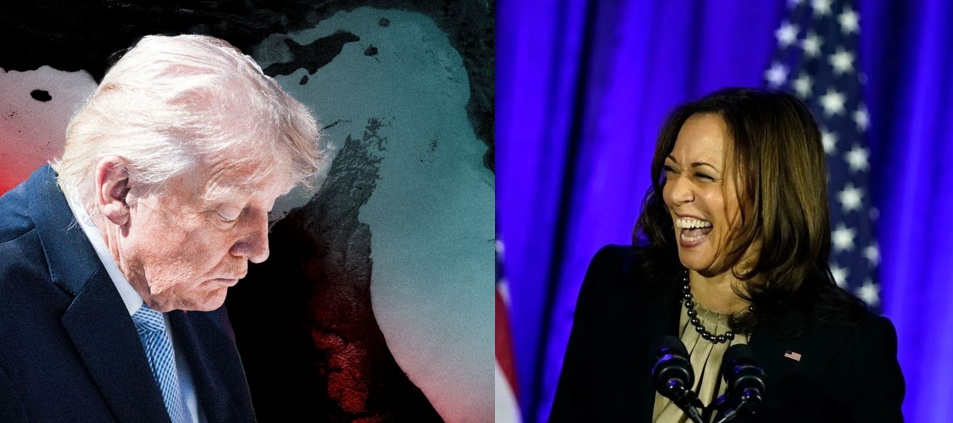
Photo: Emerald Book Image
The latest Consumer Price Index data contains a number that should stop you cold: fuel oil is up 44.2% year-over-year. That is not a typo, and it is not a niche statistic. While headline inflation cools to around 3.3% and even gasoline lags at an 18.9% increase, heating oil has detonated. For the millions of Americans who rely on fuel oil for their energy needs, this represents a severe, real-world financial shock.
This 44.2% spike is one of the largest increases in any CPI category today. It far outperforms the “Energy overall” category (up ~12.5%) and signals acute stress in a specific energy submarket that often serves as a red flag indicator before broader energy volatility spreads.
But what caused this? While many are quick to point at domestic policy alone, the reality is a complex geopolitical chain reaction. However, tracing the steps reveals that the Trump administration's actions were the critical match that lit the fuse.
The Global Catalyst: A Crisis in the Strait
The primary driver of this price surge is not a refinery issue or a pipeline hack—it is a full-blown international conflict. In February 2026, the United States (in coordination with Israel) launched airstrikes on Iranian territory. Despite military warnings that such an action could trigger a retaliation on global shipping lanes, the administration proceeded.
Iran made good on its threats. Retaliating against the strikes, Tehran closed the Strait of Hormuz to shipping. Today, that strait remains heavily restricted, cutting off approximately 20% of the world's oil flows. Consequently, global crude prices have surged past $120 per barrel.
- Crude Oil: Surged above $120/barrel due to supply shock.
- Fuel Oil (Heating Oil): Spiked 44.2% YoY—the hardest hit distillate.
- The Mechanism: Iran closes strait → Global supply drops → Prices spike.
Attributing the Cost to U.S. Policy
It is analytically complete to say Trump caused the 44% spike. Oil is a global commodity, and prices are usually driven by OPEC, war, or refining capacity. However, in this specific instance, the causal chain is unusually direct and traceable.
The administration maintained and escalated actions with Iran, leading to the blockade. The White House supported the military strikes that provoked the Iranian retaliation. Without those specific U.S. policy decisions—the strikes and the blockade—there is zero evidence to suggest the Strait of Hormuz would have closed.
The Accurate Causal Chain: U.S./Israel attack Iran → Iran retaliates by closing the Strait of Hormuz → ~20% of global oil supply disrupted → Oil prices surge globally → Distillates (fuel oil) spike hardest → BLS shows +44% fuel oil YoY.
What Harris Actually Warned About
While the administration now scrambles to explain the price shocks hitting American families, it's worth revisiting the warnings issued by then-Vice President Kamala Harris and the Biden-Harris campaign during the lead-up to the 2024 election. They were not vague about the risks of returning to Trump-era foreign policy.
Harris consistently argued that Trump's approach to foreign policy—especially his posture toward Iran—could increase geopolitical instability, which directly affects global oil markets. Her central thesis was straightforward: aggressive, unilateral action in the Middle East carries measurable economic risk for American consumers.
- Iran policy warnings: Harris criticized Trump's past record of withdrawing from the Iran nuclear deal and warned that similar moves—or escalations—could raise tensions in the Middle East, potentially disrupting energy supplies.
- Economic framing: She framed Trump's broader economic agenda, including tariffs and deregulation, as potentially raising costs for consumers, including energy prices indirectly through market volatility and trade disruptions.
- Energy transition: Like many Democrats, she emphasized energy price volatility as a structural problem and advocated for more stable, domestic clean energy sources to insulate American households from global oil shocks.
These were not radical predictions. They were straightforward assessments of cause and effect in global energy markets. Harris understood that withdrawing from diplomatic frameworks and embracing military escalation creates a vacuum that hostile actors fill—often in ways that hit American wallets directly.
The current crisis in the Strait of Hormuz is precisely the kind of geopolitical chain reaction Harris warned about. Her critique wasn't that Trump would intentionally raise energy prices—it was that his foreign policy posture made such price spikes far more likely. Today, with fuel oil up 44.2% and global oil flows choked by conflict, that warning looks prescient.
The Bottom Line for Americans
While the 44.2% figure represents a specific category with a small weight in the overall CPI (meaning it doesn't raise "headline inflation" drastically), the human impact is severe. It disproportionately impacts lower-income households and small businesses that depend on fuel oil for daily operations.
The administration has pointed to global forces, but the evidence suggests that a geopolitical escalation loop triggered by U.S. strikes turned a volatile market into a crisis. For American wallets, the difference is irrelevant; the price at the pump and the cost of fuel oil are up nearly 50%, and the causal arrow points back to decisions made in Washington. The Biden-Harris campaign warned voters about exactly this kind of outcome. Today, those warnings are no longer hypothetical—they're household math.
No Ads. By Us. For Us.
This article was only made possible by readers like you. We hope it inspired you to support Emerald Book, so we can continue producing content like this.
We will never show you ads, never sell your data, and never require a subscription to consume our content. Your gift helps us keep the truth accessible.
Please click the Support button on the bottom right of your screen to make a gift of any amount today.
Thank you for making this work possible.