

Emerald Pages
◆
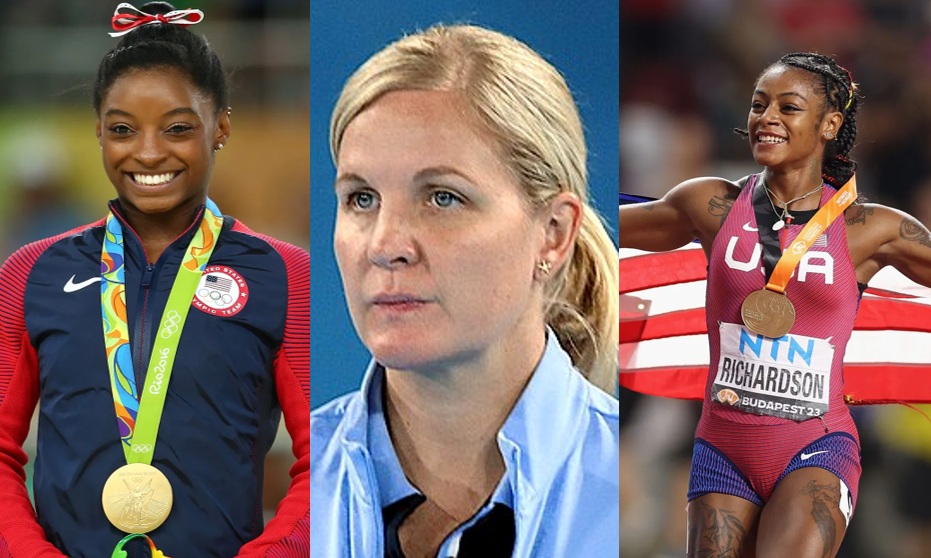
Photo: Getty Images
The opening salvo of Kirsty Coventry’s presidency was never supposed to land like this. When the newly elected International Olympic Committee president sat down with New Zealand’s Sport Nation on May 24, 2026, she intended to outline her vision for the Olympic movement. Instead, her answer to a single question about athlete pay ignited a firestorm that has consumed the first weeks of her tenure, pitting the first "African" and female IOC president against the very competitors she was elected to serve.
"I don't believe in paying athletes," Coventry told the outlet, her words landing like a thunderclap across the global sports world. "I come from a small country, I came from a sport that doesn't have a lot of financial backing. And I still don't believe we should be paying athletes at the Olympic Games." Within hours, the interview clip had been shared millions of times, accompanied by a wave of disbelief, outrage, and pointed questions about an organization that generates roughly $12 billion every four years while sending most of its athletes home with nothing but memories.
The backlash was immediate and merciless. Olympians from across the globe took to social media to share their own financial struggles, contrasting Coventry's stance with the IOC's lavish executive compensation and the strict restrictions that prevent athletes from monetizing their own images during the Games. Coventry reportedly receives an annual pay package of approximately $350,000, plus a comprehensive housing allowance. South African Olympic medalist Roland Schoeman launched a petition calling for Coventry's removal, arguing that her position revealed a fundamental disconnect between the organization's leadership and the athletes who generate its revenue.
The Billion-Dollar Question
At the heart of the controversy lies a simple, uncomfortable math problem. The IOC generates approximately $12 billion per four-year Olympic cycle, primarily through broadcast rights and global sponsorship deals with corporate partners like Coca-Cola, Visa, and Samsung. Of that sum, the organization retains roughly 10 percent for its own operations, distributing the remaining 90 percent to National Olympic Committees and International Sports Federations.
But critics argue that this "solidarity model" functions less as athlete support and more as bureaucratic subsidy. The funds sent to NOCs and IFs largely disappear into administrative overhead, executive salaries, marketing budgets, and infrastructure projects—stadiums and training centers that benefit organizations far more directly than the athletes who compete in them. The median Olympic athlete, according to recent data, earns less than $25,000 annually from sport-related channels, with a significant portion of American Olympians reporting net negative income after accounting for training and travel expenses.
- $12 billion: Estimated IOC revenue per four-year Olympic cycle
- $0: Direct salary paid to Olympic athletes by the IOC
- 90%: Percentage of revenue the IOC claims it redistributes
- $25,000: Approximate median annual athletic income for Olympians worldwide
- 80%: Percentage of Olympic athletes who leave without a medal or bonus
The NIL Trap
Perhaps the most galling aspect of the current system, from an athlete's perspective, is not what the IOC fails to provide but what it actively restricts. Rule 40 of the Olympic Charter prohibits athletes from using their name, image, or likeness to promote personal sponsors during the Games—a rule designed explicitly to protect the exclusive marketing rights of the IOC's worldwide partners.
For the vast majority of Olympians who will never stand on a podium, the Olympic Games represent the single greatest opportunity for global visibility in their athletic careers. Rule 40 ensures that even this fleeting window of commercial potential remains sealed shut, with violations potentially resulting in disqualification or medal stripping. "They want to own our faces but not pay for our bodies," one track athlete told reporters on condition of anonymity. "We're supposed to be grateful for the exposure while they sell billions in sponsorships."
A Clarification Too Late
Six days after the initial interview, as the backlash continued to build and the petition for her removal gathered tens of thousands of signatures, Coventry attempted to walk back her comments. In a video posted to the Athlete365 Instagram account, she clarified that she had meant to specify "prize money" rather than athlete compensation more broadly, and that she supports funding for grassroots development and Olympic Solidarity scholarships.
But for many athletes, the damage was already done. "The clarification felt like damage control, not conviction," wrote one Olympic medalist in a social media post. "She said what she actually believes the first time." The episode has reopened long-simmering questions about whether the Olympic model can survive in an era where athletes in other global competitions are increasingly recognized as workers entitled to fair compensation.
The World Athletics Exception
Coventry's stance stands in stark contrast to that of World Athletics, the international governing body for track and field. Under the leadership of Sebastian Coe, who ran against Coventry for the IOC presidency, World Athletics broke with Olympic tradition by becoming the first international federation to offer direct prize money at the Olympic Games. Beginning with the Paris 2024 Games, gold medalists received $50,000, with the program expanding to include silver and bronze medalists at the Los Angeles 2028 Games.
Coe's approach suggests that the "amateur model" may no longer be defensible in a professionalized sports landscape. "We cannot ask athletes to dedicate their lives to excellence while denying them the basic dignity of financial recognition," Coe said during his own presidential campaign. His defeat to Coventry—who won the election in a single round of voting—has left some athletes wondering whether the Olympic movement is prepared to evolve.
What Comes Next
The controversy has accelerated existing efforts to organize Olympic athletes as a labor force. The World Players Association has begun outreach to Olympians across multiple sports, exploring the possibility of collective action to demand revenue sharing and an end to Rule 40 restrictions. Legal challenges are also underway in multiple jurisdictions, arguing that the IOC's control over athletes' schedules, appearance, and commercial activities effectively makes them employees entitled to minimum wage and labor protections.
For Coventry, the episode represents an early test of leadership that she appears to have failed. Whether she can rebuild trust with the athletes she was elected to represent remains an open question—and perhaps the defining challenge of her presidency. But one thing is clear: after her comments in late May 2026, the question of Olympic athlete compensation will no longer be ignored.
No Ads. By Us. For Us.
This article was only made possible by readers like you. We hope it inspired you to support Emerald Book, so we can continue producing content like this.
We will never show you ads, never sell your data, and never require a subscription to consume our content. Your gift helps us keep the truth accessible.
Please click the Support button on the bottom right of your screen to make a gift of any amount today.
Thank you for making this work possible.