

Emerald Pages
◆
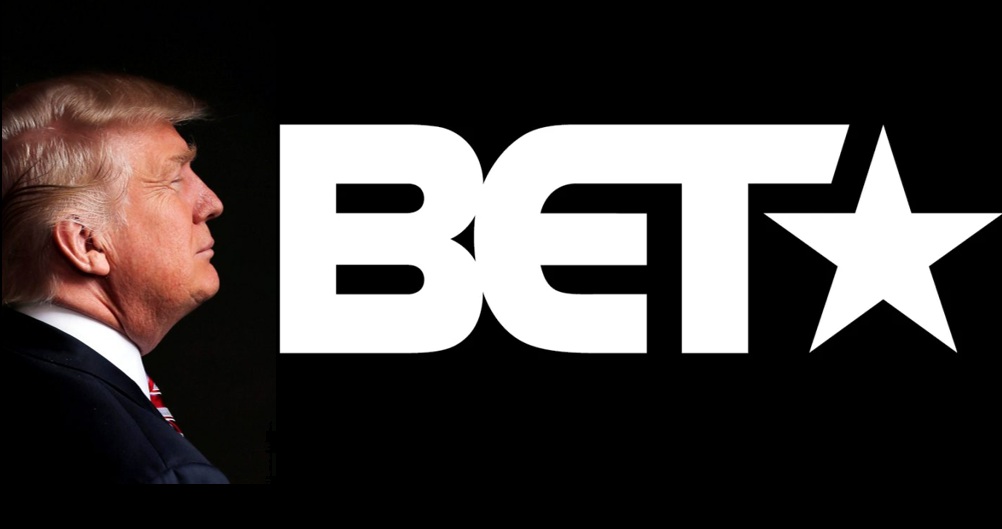
Photo: Emerald Book Graphic
In 1980, Robert L. Johnson launched Black Entertainment Television with a radical idea: a national cable network built by Black people, for Black people. When BET became the first Black-controlled company listed on the New York Stock Exchange in 1991, it was more than a business milestone — it was a declaration of cultural and economic self-determination. Today, that legacy lies in ruins. BET is currently zero percent Black-owned. Its parent company is controlled by billionaires with direct ties to Donald Trump. And any claim that the network remains "pro-Black" has become a cruel fiction.
The facts are indisputable. In 2001, Johnson sold BET to Viacom (now Paramount Global) for $3 billion, ending the network's status as a Black-owned entity. While Tyler Perry once held a minority stake in the BET+ streaming offshoot, Paramount bought him out completely, consolidating 100% ownership under its corporate umbrella. Viral social media rumors about a Black-led buyback? They never materialized. Today, BET is a wholly owned subsidiary of Paramount Skydance Corporation — a publicly traded media giant with zero Black owners at the equity level.
But the loss of Black ownership is only half the story. The deeper rot lies in who owns Paramount Skydance — and what that ownership represents. The company is controlled by David Ellison (Chairman and CEO) and his father, Larry Ellison, the billionaire co-founder of Oracle. Larry Ellison is one of Donald Trump's most prominent financial backers, described by White House insiders as a "shadow president" due to his behind-the-scenes influence. David Ellison has actively courted the administration, hosting private dinners honoring Trump and his cabinet members while seeking federal approval for massive media mergers.
The $16 Million Settlement That Bought Approval
The Ellisons' alignment with Trump isn't theoretical — it has produced concrete, controversial actions. Before the Federal Communications Commission (FCC) approved the Skydance takeover of Paramount, Trump had an active lawsuit against CBS News (a sister network to BET) over a 60 Minutes interview. In an unusual move that cleared regulatory hurdles under a Trump-appointed FCC chairman, Paramount paid a $16 million settlement that went directly to Trump's presidential library fund. The merger was approved immediately afterward. Civil rights groups and Democratic lawmakers, including Senators Elizabeth Warren and Bernie Sanders, have since launched investigations into what they call a "quid pro quo" arrangement.
The administration's influence didn't stop there. According to government documents and congressional investigations, Paramount Skydance agreed to address the Trump administration's concerns by making sweeping internal changes — including dismantling all Diversity, Equity, and Inclusion (DEI) initiatives across its corporate umbrella. For a network like BET, founded on the principle of amplifying Black voices, the elimination of corporate DEI programs at the parent level sends a chilling message about where real priorities lie.
- BET Hip Hop Awards suspended indefinitely — The parent company halted flagship Black cultural events, reallocating resources toward what leadership described as "MAGA-aligned" and mainstream male audiences.
- Soul Train Awards also canceled — Two of the most prominent celebrations of Black music and culture were gutted under the new ownership regime.
- Race-based layoff allegations — Former producers at sister networks have publicly alleged that internal restructurings disproportionately targeted non-white staff members.
- Content ombudsman installed — To monitor "network bias," an ombudsman was put in place — a direct concession to conservative political pressure.
For critics, these actions are not peripheral — they are definitive. "A network cannot claim to serve Black interests when its ultimate owners are donating millions to Trump, settling his lawsuits, and gutting the very cultural events that define Black excellence," said one media accountability advocate who spoke to Emerald Pages on condition of anonymity.
The Corporate vs. Creative Delusion
Defenders of the network point to a familiar distinction: while the parent company's politics may lean right, the day-to-day creative staff at BET remain Black professionals committed to authentic representation. They argue that BET can still function as a "Trojan horse" — using Paramount's massive distribution budget to push pro-Black content into millions of homes that independent Black networks cannot reach.
But this argument collapses under scrutiny. True pro-Blackness requires institutional independence and economic self-determination. When the billionaires at the top hold 100% of the voting power, any content that conflicts with their political alliances or regulatory goals can be suppressed, defunded, or canceled. The suspension of the Hip Hop Awards and Soul Train Awards proves that point: Black culture is expendable when it doesn't fit the parent company's bottom line or political positioning.
Moreover, the Ellison family's ambitions extend far beyond BET. Paramount Skydance has announced an $81 billion acquisition of Warner Bros. Discovery — a deal that would bring CNN, HBO, and a vast portfolio of other networks under the same Trump-aligned ownership. Federal regulators, now operating under a Trump-appointed leadership, have signaled their support. The consolidation of mainstream and Black-focused media under a single, politically aligned corporate umbrella represents a grave threat to independent Black voices.
Why This Matters Beyond BET
The story of BET's transformation from Black-owned icon to corporate asset is not an isolated tragedy — it is a warning. Across the media landscape, Black-owned outlets are being acquired, consolidated, or starved of resources. The promise of the 1991 NYSE listing has been replaced by the reality of 2026: zero percent Black ownership, a Trump-aligned parent company, and a cultural brand that still markets itself to Black audiences while serving the interests of billionaires.
Some have pointed to BET's original founder, Bob Johnson, as an ironic footnote. Johnson met with Trump after the 2016 election, and Trump informally offered him a Cabinet position — which Johnson declined. But Johnson sold his stake in BET long ago. His personal history with Trump is irrelevant to the current corporate structure. What matters is that the network Johnson built is now controlled by men who host dinners for Trump, pay his legal settlements, and dismantle diversity programs.
The bottom line is harsh but clear: BET can no longer be considered pro-Black in any sense of the word. Not because its on-air talent lacks commitment, but because the ultimate owners — the people who hold the purse strings, approve the budgets, and set the corporate agenda — are aligned with a political movement that has actively worked against Black interests, from attacking DEI to defunding social programs. A network is defined by who controls it. And right now, Black people do not control BET.
For audiences seeking authentic Black media, the path forward requires supporting genuinely Black-owned alternatives — outlets where economic self-determination and cultural advocacy are not competing priorities but inseparable missions. The legacy of Robert L. Johnson's original vision deserves nothing less than a future where Black people own their own narratives again.
No Ads. By Us. For Us.
This article was only made possible by readers like you. We hope it inspired you to support Emerald Book, so we can continue producing content like this.
We will never show you ads, never sell your data, and never require a subscription to consume our content. Your gift helps us keep the truth accessible.
Please click the Support button on the bottom right of your screen to make a gift of any amount today.
Thank you for making this work possible.