

Emerald Pages
◆
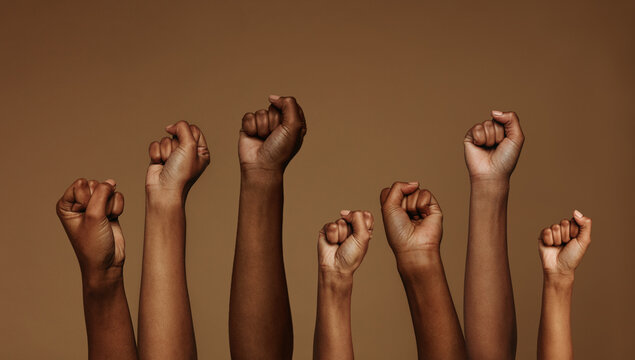
Photo: NSGC Perspective
Pro-Black appears frequently in discussions about race, but its meaning is often misunderstood. Being pro-Black describes a mindset or movement centered on the empowerment, celebration, and advancement of Black people. It is fundamentally about building power and agency for a community that has historically been systematically stripped of it.
The key characteristic is that pro-Blackness deals directly with power. It is not simply a feeling or an identity—it is an intentional stance aimed at building social, political, and economic power for Black people.
Core Principles
Pro-Blackness rests on four core principles, according to the Nonprofit Quarterly:
- Empowerment and Power: Actively working to build social, political, and economic power for Black people.
- Positivity and Celebration: Promoting an unapologetically positive perspective on Blackness, focusing on the agency, joy, and everyday lives of Black individuals.
- Equality and Justice: Advocating for Black people to be treated fairly, respected, and honored in all areas of life, from politics to social orders.
- Systemic Focus: Acknowledging and rectifying historical wrongs, such as systemic racism in health, education, and criminal justice.
Common Misconceptions
Three misconceptions appear frequently, according to advocates and writers like Laura M. Quainoo.
First, pro-Black is not anti-White. Being pro-Black does not require hatred of any other ethnic group. It is a positive affirmation of Blackness, not a negative stance toward anyone else.
Second, pro-Black is not racial supremacy. Unlike supremacy, which seeks to dominate others, pro-Blackness is centered on survival, self-determination, and community thriving.
Third, pro-Blackness has an inclusive outcome. Equity strategist Dax-Devlon Ross suggests that when Blackness is centered and Black people thrive, it creates a society where everyone wins. This is not zero-sum—it is structural correction.
In Practice
Being pro-Black looks like specific, concrete actions. According to O'Reilly books and other sources, these include:
- Supporting Black-owned businesses
- Advocating for policy changes like reparations
- Creating educational spaces that center Black history and experiences
- Challenging anti-Black comments or policies in everyday settings
- Investing time or money in organizations focused on Black neighborhoods
Are Black People Automatically Pro-Black?
No. Being Black and being pro-Black are not the same thing. According to multiple sources, Blackness is an identity you are born with, while pro-Blackness is an intentional political and social commitment. Many Black people are not pro-Black, and some actively reject the label.
Several factors explain this distinction. Internalized anti-Blackness occurs when people of color adopt negative stereotypes about their own race. This can lead some Black individuals to devalue Black culture, distance themselves from their community, or blame systemic poverty on individual moral failure.
Individualism is a related factor. Critics argue that "rugged individualism" is a tool of anti-Blackness that undermines the collective power needed for liberation. Focusing strictly on personal success—the "American Dream" narrative—can lead to a "crabs in a barrel" mentality, where individuals distance themselves from the broader Black community rather than recognizing that systemic disparities like the racial wealth gap cannot be solved by one person alone. As social justice advocate Tema Okun notes, individualism can function as a "toxic denial" of our interdependence and the collective responsibility required for real change.
Differing political ideologies also play a role. Assimilationists believe "fitting in" is more effective than building separate power, while colorblind advocates view pro-Blackness as divisive. Additionally, Pew Research data shows that while many Black people have strong explicit bias in favor of their own group, implicit biases are often split, with about half demonstrating unconscious preferences for "pro-White" associations due to constant exposure to societal messaging.
Can White People Be Pro-Black?
No. In this view, pro-Blackness is an internal identity and a form of self-love that belongs exclusively to Black people. A white person can be an ally or an accomplice, but they cannot be pro-Black because they do not share the lived experience or the ancestral history the term is rooted in.
Critics of the idea of "white pro-Blackness" point out that white people still benefit from systemic privileges. Claiming a "pro-Black" label can be performative and can take up space that should be reserved for Black voices and leadership. The term is specifically about Black self-determination—the right of Black communities to govern themselves and define their own futures. In this framework, white participation is secondary to the primary goal of Black autonomy.
This does not mean white people cannot take meaningful action. Rather than claiming a pro-Black identity, white individuals who wish to support Black liberation can practice allyship. This includes following Black leadership, redistributing resources, supporting Black-owned businesses, advocating for policy changes, and educating other white people about racism. But allyship is not the same as being pro-Black. The distinction matters because it respects the specificity of Black identity and the importance of Black people defining their own movement.
Why Is Pro-Blackness Necessary for Black Liberation?
Advocates argue that since systemic racism was built specifically on the devaluation of Black life, liberation requires an intentional focus on reclaiming power. A pro-Black stance addresses power dynamics and self-determination directly.
Key reasons for its necessity include: building economic, social, and political power so Black communities can govern themselves; achieving self-determination without needing to conform to Eurocentric standards; counteracting anti-Blackness (described by some as the "root system" of Western racism); and fostering psychological liberation through racial pride and self-respect.
What Happens When Black People Are Not Pro-Black?
According to research from PubMed Central, ScienceDirect, and other sources, failing to be pro-Black—whether through active opposition, indifference, or colorblind ideologies—harms Black people by preserving systemic inequality.
Systemic disparities persist. Without a pro-Black commitment to building equity, the racial wealth gap continues (white households hold roughly six times the wealth of Black households). Race-neutral policies mask biases in hiring, healthcare, and education—applicants with "Black-sounding names" get fewer callbacks with identical resumes. Disproportionate incarceration rates and higher maternal mortality for Black women remain unchanged.
Psychological and cultural erosion occurs. Not being pro-Black can lead to internalized racism, described by some researchers as a form of "psychological slavery" more damaging than physical shackles. This produces self-devaluation, higher rates of anxiety and depression, and reluctance to engage with systems like credit or higher education.
Colorblindness causes specific harm. While often well-intentioned, the refusal to "see color" is viewed by experts as a form of racism that invalidates unique perspectives and heritage. It makes it harder to identify and resolve actual bias, and often acts as a tool to stall civil rights progress by claiming targeted efforts are "discriminatory."
Individualism reinforces these harms. When Black individuals prioritize personal success over collective advancement, they may ignore the systemic disparities that cannot be solved alone. This "crabs in a barrel" mentality—distancing oneself from the broader community to achieve individual mobility—leaves the structural conditions unchanged. As Tema Okun and other advocates note, individualism is a "toxic denial" of our interdependence. Collective power, not solo achievement, is what drives systemic change.
A Self-Checklist for Pro-Black Alignment
Since pro-Blackness is an intentional commitment rather than a static identity, here is a checklist to gauge alignment with its core principles.
Internal & Cultural Affirmation:
- Do I challenge the urge to conform to Eurocentric standards (beauty, speech, behavior) to feel "professional" or "accepted"?
- Is my primary goal for success to improve my community, or am I seeking validation from institutions that historically excluded Black people?
- Do I actively learn about and celebrate Black history beyond the context of trauma and slavery?
Economic & Community Support:
- Do I make a conscious effort to support Black-owned businesses, banks, and creators?
- Do I intentionally mentor, share resources, or open doors for other Black people?
- Do I contribute time or money to organizations focused on Black neighborhoods?
Political & Structural Stance:
- When evaluating a policy or candidate, do I look specifically at how their platform will impact Black life?
- Am I willing to speak up against anti-Black comments or policies, even when uncomfortable or when no other Black people are present?
- Do I support the idea of Black people having the power to govern their own spaces and institutions?
- Do I recognize that systemic disparities cannot be solved by individual effort alone, and that collective action is necessary?
Solidarity & Internal Critique:
- Do I actively work to eliminate my own biases against other Black people based on colorism, gender, class, or sexuality?
- Am I aware of when I am holding Black people to a higher standard of behavior than I hold other groups?
- When a Black person is harmed, is my first instinct to support them rather than searching for reasons they might have "deserved" it?
- Do I reject the "crabs in a barrel" mentality and embrace interdependence over rugged individualism?
This checklist is not a purity test. It is a practical tool for reflection and intentional action—for Black people, by Black people.