

Emerald Pages
◆
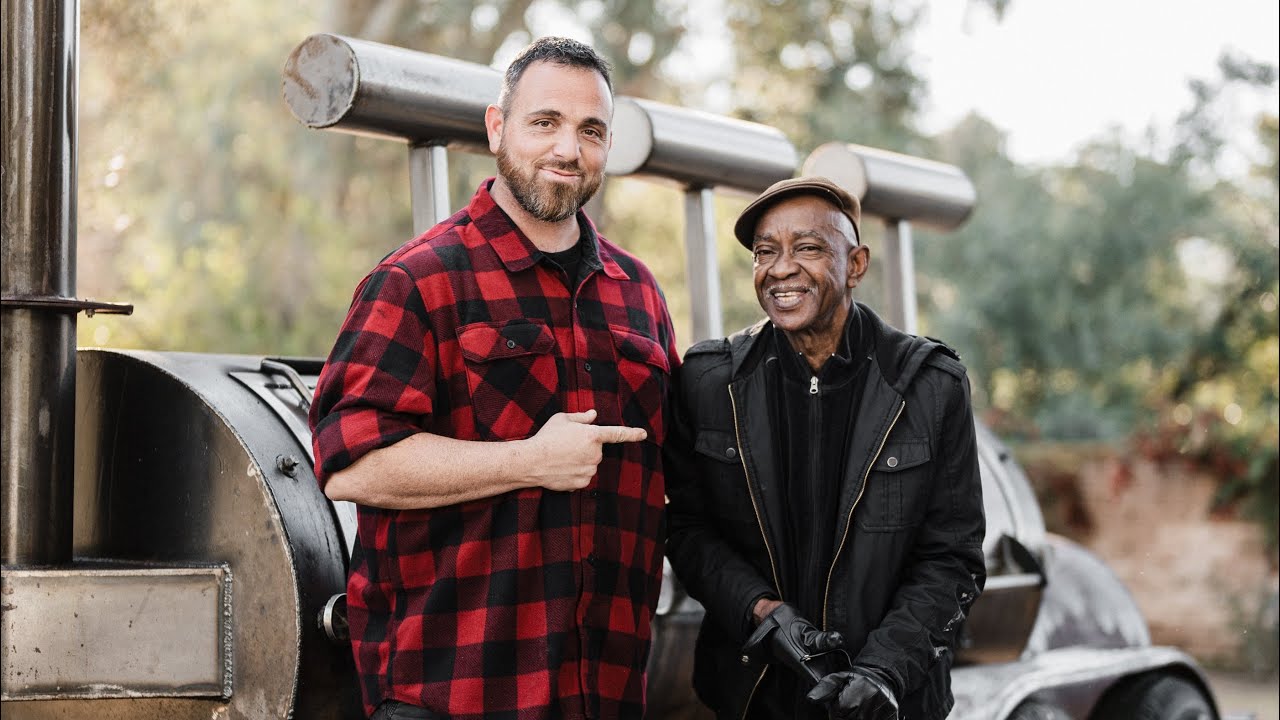
Photo: ZARTONK
In early 2026, a quiet storm brewed in the California high desert. Walter "Unc" Johnson, an elderly Black barbecue enthusiast known to millions as "Mr. Tendernism," had turned Destination Smokehouse in Victorville into a pilgrimage site. His videos showcasing ultra-tender, fall-off-the-bone meat captivated the internet. But then came the news: the restaurant's owner, Nicholas Yepremian, reportedly moved to trademark the term "Tendernism" and its variations. The man who made the movement famous was suddenly at risk of losing the very name he created.
By March 2026, Johnson had successfully secured ownership of the "Tendernism" trademark after a public dispute. He is no longer affiliated with the restaurant. But the damage—and the lesson—lingers. To Black America, this was not an isolated incident of business drama. It was a familiar song, played on a different instrument. It is the same melody heard for centuries: first they profit from Black labor, then they try to own Black innovation, and finally, they rewrite the rules to suggest we never knew what we were doing in the first place.
The culinary clash at the heart of the Tendernism controversy goes deeper than legal filings. Destination Smokehouse has publicly defended cooking to competition standards—where meat should retain a "bite" rather than achieve the ultra-tender "fall off the bone" texture Johnson popularized. In professional competitions like the KCBS (Kansas City Barbeque Society), "fall off the bone" is officially considered overcooked. Judges look for a "clean bite." Critics, however, saw something else: a restaurant trying to "educate" a public that already loved what Johnson was serving.
The "Fall Off the Bone" Debate: A Battle Over Authority
The debate over whether meat should fall off the bone is a real, long-standing argument in the BBQ community. Competition standards favor texture and bite. Commercial chains popularized "fall off the bone" as shorthand for tenderness. Many craft pitmasters call it a "sin" or a gimmick, arguing that true "fall off the bone" indicates collagen has fully broken down into gelatin, which can result in a mushy or "pot roast" texture.
But buried beneath this technical debate is a question of authority: Who gets to decide what "good" is? In the lineage of Black American barbecue—which traces its roots directly to West African cooking techniques—low-and-slow heat until the connective tissue surrenders is the hallmark of mastery. It was the Sunday dinner standard. It was the taste of celebration. To dismiss that as "incorrect" is to invalidate millions of ancestors who perfected that craft in pits dug behind slave cabins. It is to steal the definition of "good" from the very people who invented it.
The Blueprint of Theft and Rewriting: 400 Years of the Same Story
To understand the Tendernism trademark battle, we must look at the original sin of American cultural theft: slavery itself. For over 400 years, white landowners stole the literal bodies, energy, and genetic material of Black people. But the theft was never the end of the story. To ease their consciences, the oppressors had to rewrite the narrative. They couldn't admit they were beating and selling human beings who built the economic engine of the Western world, so they invented the myth of the "savage," the "happy slave," and the "childlike brute." They stole the humanity, then called the victims less than human.
Consider the case of Eliza Lucas Pinckney and the indigo industry. Pinckney is celebrated in white history books as the "mother of the American indigo industry." She was a planter. However, the actual knowledge of how to cultivate and process indigo into dye came directly from enslaved Black women from the West Indies. They taught her the process. She took the profit, took the credit, and for two hundred years, history erased the Black botanists who made her fortune. They stole the plant, then rewrote the narrative to make the white woman the genius.
Or take the invention of the cotton gin. Eli Whitney gets the patent. But any honest historian will tell you that the conceptual design was heavily influenced by enslaved Black mechanics who had been tinkering with ginning devices for years. Whitney's gin didn't end slavery; it supercharged it. The theft of the idea led directly to the increased torture of the very people who helped create it. And the narrative? That Black people lacked "inventive genius." They stole the blueprint, then called us too stupid to draw.
From the Rice Fields to the Restaurant Menu
The most egregious example of this "steal and rewrite" pattern is the story of rice cultivation in the Carolinas and Georgia. The "Carolina Gold" rice industry made Charleston the wealthiest city in colonial America. Who brought the knowledge of tidal irrigation, winnowing, and the specific variety of Oryza glaberrima? Enslaved West Africans from the "Rice Coast" (Senegal, Gambia, Sierra Leone). They built the dikes, they managed the flow, they knew the soil.
When the profits rolled in, white planters claimed the credit for "taming the wilderness." They rewrote the history to suggest that Black people were simply "suited" to the tropical heat, not that they were the technological savants of the operation. This is the exact pattern we saw in Victorville. A Black elder created a movement through his authentic presence and cooking. A business owner of a different background profited from that movement, then tried to legally own the name, then appealed to "competition standards" to suggest the Black-preferred texture was technically wrong.
- 1700s: Enslaved Africans create the entire rice economy. History calls the white owners "planters."
- 1900s: Black jazz musicians invent the only original American art form. History calls white bands "The Kings of Jazz."
- 2024-2026: Walter "Unc" Johnson makes "Tendernism" a cultural phenomenon. A restaurant tries to trademark his name and then dismisses his cooking style as incorrect.
This is not about meat. This is about authority. When a restaurant defends competition standards over the "fall off the bone" style that a Black elder popularized, they are not just critiquing texture. They are engaging in epistemological warfare. They are saying, "Your lived experience, your generational knowledge, your grandmother's Sunday dinner—that is incorrect. My standard is the correct one."
It is the same logic used to justify Jim Crow. White society told Black people that their way of walking, talking, eating, and loving was "uncivilized." They stole our culture and then called us savages for the way we originally did it. The irony of barbecue is thick enough to choke on. Barbecue is the original "trash cuisine"—the scraps (ribs, brisket, shoulders) given to enslaved people. We turned those scraps into gold. Now, those who gave us the scraps want to tell us we aren't holding the gold correctly. And in the case of Tendernism, they also wanted to trademark the gold.
The "Mr. Tendernism" incident was not a warning shot. It was the latest battle in a 400-year war. Walter Johnson won the trademark battle. He secured his name. But the larger war continues. For centuries, Black people have built the foundations of this country's wealth, music, food, and language. And for centuries, those foundations have been whitewashed, patented, and rebranded. The call to action is simple: Do not let them rewrite the narrative. The meat is supposed to fall off the bone if that's how your grandmother made it. The rice was an African science. The jazz is Black. And "Tendernism" belongs to Walter "Unc" Johnson—not to any restaurant, not to any trademark office, and certainly not to anyone who thinks they can educate a community about its own taste.
The next time you see a viral Black creator, ask yourself: Who is profiting? Who owns the name? And who gets to decide what "good" means? The answers will tell you everything about how far we've come—and how far we still have to go.
No Ads. By Us. For Us.
This article was only made possible by readers like you. We hope it inspired you to support Emerald Book, so we can continue producing content like this.
We will never show you ads, never sell your data, and never require a subscription to consume our content. Your gift helps us keep the truth accessible.
Please click the Support button on the bottom right of your screen to make a gift of any amount today.
Thank you for making this work possible.