
James J. Kilpatrick
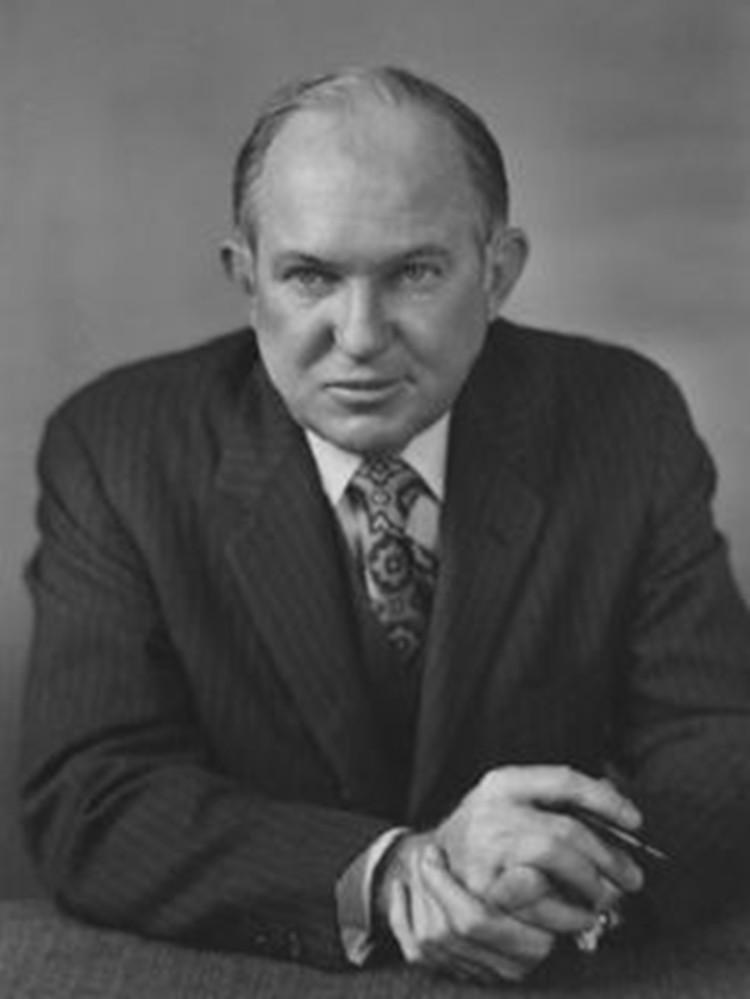
Name: James J. Kilpatrick
Lifespan: 1920–2010
Position: Journalist, Editorial Writer, and Columnist
Nationality: American
Historical Role:
James J. Kilpatrick was a prominent journalist and outspoken advocate for segregation during the mid-20th century. Writing for newspapers such as The Richmond News Leader, he became one of the most influential voices defending Jim Crow laws and opposing the Civil Rights Movement, using his platform to shape public opinion against racial equality.
Actions That Harmed the Black Community:
1950s–1960s – Advocacy for Segregation
Kilpatrick consistently wrote editorials defending segregated schools, public facilities, and housing.
His rhetoric reinforced social and legal barriers that prevented Black Americans from accessing equal opportunities.
1964 – Opposition to Civil Rights Legislation
He opposed federal civil rights laws, including the Civil Rights Act of 1964 and the Voting Rights Act of 1965.
Kilpatrick’s writings encouraged resistance to integration and maintained systemic political and social disenfranchisement of Black communities.
1950s–1960s – Promotion of “States’ Rights” to Defend Racial Hierarchy
Kilpatrick framed opposition to civil rights as a constitutional issue, legitimizing segregationist policies under the guise of states’ rights.
His arguments provided intellectual cover for politicians and local authorities to resist racial equality.
1950s–1960s – Influence on Public Opinion and Policy
Through his widely read columns and editorials, Kilpatrick shaped public sentiment to resist integration and maintain white supremacy.
His influence delayed social acceptance of desegregation and contributed to ongoing racial discrimination in schools, employment, and civic life.
1950s–1960s – Normalization of Racist Ideology
Kilpatrick’s work helped normalize and justify systemic racism in Southern society, framing civil rights activism as disruptive or illegitimate.
His writings reinforced social hierarchies that marginalized Black communities and limited their social, economic, and political mobility.
Legacy:
James J. Kilpatrick is remembered as one of the most prominent intellectual defenders of segregation in the 20th century. His influence extended beyond journalism, shaping public discourse and legitimizing resistance to civil rights reforms. Historians view Kilpatrick as emblematic of media-driven support for systemic racism and opposition to racial justice.
Summary:
Journalist James J. Kilpatrick, through advocacy for segregation, opposition to civil rights laws, and promotion of racist ideology, systematically opposed Black equality and empowerment. His writings reinforced social and political barriers, delayed civil rights progress, and contributed to the marginalization of Black communities in the United States.
Bibliography
1950s–1960s – Advocacy for Segregation
- Kilpatrick, James J. The Southern Case for School Segregation. Crowell-Collier Press, 1962. (Primary source of his arguments).
- The Richmond News Leader editorials, 1950-1967. (The primary source of his daily commentary).
- Smith, J. Douglas. Managing White Supremacy: Race, Politics, and Citizenship in Jim Crow Virginia. University of North Carolina Press, 2002.
1964 – Opposition to Civil Rights Legislation
- The Congressional Record, 88th and 89th Congress. (For Kilpatrick’s testimony and the influence of his ideas on congressional debate).
- The National Review archives. (For his contributions to conservative national media opposing civil rights laws).
- The Washington Post, “Kilpatrick and the Civil Rights Act,” archives from 1964.
1950s–1960s – Promotion of “States’ Rights” to Defend Racial Hierarchy
- Kilpatrick, James J. The Sovereign States: Notes of a Citizen of Virginia. Henry Regnery Company, 1957. (His seminal work on interposition and states’ rights).
- The Virginia Commission on Constitutional Government publications. (State agency Kilpatrick advised, dedicated to promoting states’ rights doctrine).
- The Journal of Southern History, “The Ghost of John C. Calhoun: James J. Kilpatrick and the Revival of Interposition,” 2005.
1950s–1960s – Influence on Public Opinion and Policy
- The James J. Kilpatrick Papers, University of Virginia Library. (His personal and professional correspondence).
- “The Great School Debate” television transcripts, 1960s. (For his national media appearances).
- Lassiter, Matthew D. The Silent Majority: Suburban Politics in the Sunbelt South. Princeton University Press, 2006. (Discusses the long-term influence of his ideas).
1950s–1960s – Normalization of Racist Ideology
- The Southern Manifesto (1956). (Kilpatrick was a key intellectual influence on this document).
- Time and Newsweek magazine profiles of Kilpatrick, 1956-1965. (For national perception of his views).
- The Crisis (NAACP), archives from 1955-1965. (For the opposition perspective on Kilpatrick’s influence).